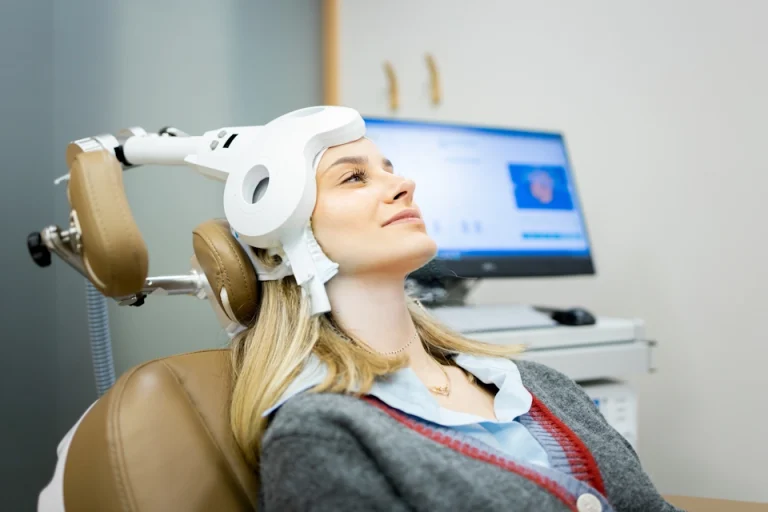


If PTSD has not improved with therapy or medication, you may have seen TMS mentioned as another option. It is a real option, but the honest picture is more complicated than many clinic websites suggest. TMS is not FDA-cleared for PTSD, and the research is mixed.
This post explains what is known, what is not, and where TMS may still make sense.
Where Standard PTSD Treatment Stands
Trauma-focused therapies such as Cognitive Processing Therapy, Prolonged Exposure, and EMDR are first-line treatments for PTSD, and some medications help as well. Many people improve with these approaches. Others keep struggling, or have PTSD together with depression that makes it hard to engage in therapy. For them, clinicians look at additional options, including TMS.
What the FDA Has and Has Not Cleared
TMS is FDA-cleared for major depression (first in 2008), and for other uses depending on the device, including OCD, anxious depression, and smoking cessation. It is not cleared for PTSD. A clinic that uses TMS for PTSD is working outside its cleared uses and should tell you so.
What the Research Shows
Pooled results look encouraging. A 2021 meta-analysis of 19 studies with 376 participants reported large improvements in PTSD symptoms after rTMS. These analyses combine studies with different designs and protocols, so they cannot show on their own that TMS beats a placebo treatment.
Sham-controlled trials are less convincing. A 2024 Cochrane review concluded, with moderate certainty, that active rTMS probably makes little to no difference to PTSD severity compared with sham stimulation. A 2026 meta-analysis of combat-related PTSD found that the three sham-controlled trials (116 participants) did not show a statistically significant advantage for TMS.
Real-world data is positive but uncontrolled. In a VA study of 756 veterans with both PTSD and depression who received TMS for depression, 65.3% had a clinically meaningful reduction in PTSD symptoms and 46.1% no longer met the PTSD threshold. The study was retrospective and had no comparison group.
In plain terms, many people report feeling better after TMS in real-world care, but controlled trials have not yet shown that the stimulation itself is responsible. It is also unclear which protocol works best.
No. TMS is FDA-cleared for major depression and for other uses depending on the device, but not for PTSD. Using TMS for PTSD alone is outside its cleared uses.
The evidence is mixed. Pooled analyses and real-world data show improvement, but a 2024 Cochrane review found that active TMS probably makes little to no difference to PTSD severity compared with sham in the trials it reviewed.
Studies have been small, protocols have varied, and many results come from uncontrolled real-world data. Controlled trials have not clearly shown that stimulation, rather than other factors, drives the improvement.
In 756 veterans with PTSD and depression treated with TMS for depression, 65.3% had a clinically meaningful reduction in PTSD symptoms and 46.1% no longer met the PTSD threshold. The study was retrospective and had no control group.
Where TMS May Still Make Sense
- PTSD with depression. Depression is TMS’s cleared use. If you have both conditions and medication has not helped, TMS for depression is a reasonable discussion, and some patients may notice PTSD symptoms improve too.
- Alongside therapy, not instead of it. TMS is not a replacement for trauma-focused therapy.
What to Ask Any Clinic
- Is TMS being used for my depression, my PTSD, or both, and what is the goal?
- Which device and protocol will be used?
- How will we measure progress, for example with standard PTSD and depression questionnaires?
- What happens if I have not improved by the midpoint?
Safety and Practicalities
A standard course is about 36 sessions over roughly seven weeks. You stay awake, and most patients drive themselves and return to normal activities. Side effects are usually mild scalp discomfort or a light headache. Metal implants in or near the head are a concern, and a history of seizures needs careful evaluation.
TMS is not a crisis treatment. If you are in immediate danger or thinking about harming yourself, call or text 988, call 911, or go to the nearest emergency room.
Insurance
TMS coverage is generally tied to a depression diagnosis and a history of medication trials. TMS for PTSD alone is typically not covered. One-Day TMS is typically not covered by insurance and is FSA and HSA eligible. Our team verifies your benefits before treatment begins.
No. Trauma-focused therapies such as CPT, Prolonged Exposure, and EMDR remain first-line treatments. TMS is considered alongside them, not instead of them.
Coverage is generally tied to a depression diagnosis and prior medication trials. TMS for PTSD alone is typically not covered. NeuPath verifies your benefits before treatment.
Adults who also have depression and have not gotten enough relief from medication may be candidates for TMS for depression. A psychiatrist confirms candidacy after an evaluation.
A standard course is about 36 sessions over roughly seven weeks. One-Day TMS is an accelerated option that is typically not covered by insurance and is FSA and HSA eligible.
| PTSD Care at NeuPath |
|---|
| At NeuPath, a comprehensive evaluation comes first. Depending on your history, options may include medication management, TMS, and ketamine therapy, and we will tell you plainly where the evidence is strong and where it is not. |
| Schedule a free 15-minute discovery call at (561) 782-1702 |