Online Ketamine vs. In-Person Ketamine: Why Clinic-Based Care Matters
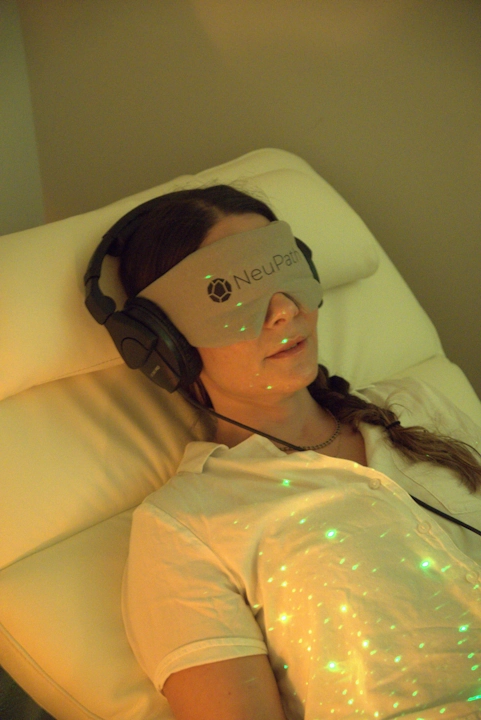
Over the last few years, a new category of mental health service has emerged: online ketamine therapy. Companies like Mindbloom, Joyous, and others now offer ketamine treatment that can be prescribed remotely and taken at home, without a clinic visit, without medical supervision during the session, and without the oversight of a psychiatrist who knows your full history. For patients who have been struggling with depression and are looking for any path forward, the appeal is understandable. It is accessible, relatively affordable, and does not require you to leave your house. But the convenience comes with trade-offs that are worth understanding clearly before you make a decision. This post lays out exactly how online and in-person ketamine differ, where each approach has merit, and why for most patients dealing with serious depression, clinic-based care at a practice like NeuPath Mind Wellness produces meaningfully better outcomes. What Online Ketamine Actually Is Online ketamine services operate through a telehealth model. A patient completes an intake form and a brief virtual consultation with a prescribing clinician, often a nurse practitioner rather than a psychiatrist, and if approved receives a prescription for oral or sublingual ketamine lozenges that are mailed to their home. The patient then takes the ketamine at home, typically alone or with a friend or partner, without any clinical monitoring during the session. Some platforms provide a virtual companion or therapist to check in before and after, but the session itself is unsupervised. The ketamine used in these models is almost always oral or sublingual, meaning it is swallowed or dissolved under the tongue. This form of administration has significantly lower bioavailability than intravenous ketamine, meaning a much smaller proportion of the drug actually reaches the brain. The dissociative experience is milder, the therapeutic effect is less predictable, and the dosing is less precise. What In-Person Ketamine at NeuPath Looks Like At NeuPath Mind Wellness, ketamine therapy is administered intravenously under direct medical supervision in a calm, private clinical environment. IV ketamine delivers the drug directly into the bloodstream at a precisely controlled rate, producing consistent plasma concentrations and a predictable, clinically meaningful therapeutic effect. The session is monitored throughout by trained clinical staff who track your vital signs, adjust the infusion rate as needed, and are present for the entirety of the experience. Your treatment at NeuPath is overseen by a psychiatrist who knows your full history, your diagnosis, your medication background, and your treatment goals. Dosing decisions are made by that psychiatrist based on your individual response, not by a remote prescriber who spent fifteen minutes reviewing your intake form. Before your first infusion, you have a comprehensive psychiatric evaluation. After each session, your response is assessed and your treatment plan is adjusted accordingly. The ketamine does not exist in isolation from the rest of your care. The Key Differences Bioavailability and Therapeutic Effect This is the most clinically significant difference between the two models. IV ketamine has near-complete bioavailability. When delivered intravenously, essentially all of the drug reaches systemic circulation and crosses the blood-brain barrier at the intended concentration. The therapeutic effect is consistent, predictable, and well-documented across decades of clinical research. Oral and sublingual ketamine have bioavailability of approximately 20 to 30 percent. The majority of the drug is broken down in the digestive tract and liver before it reaches the brain. What arrives at the target site is a fraction of the administered dose, at concentrations that are harder to predict and control. This difference matters clinically. The robust antidepressant effects documented in ketamine research are based almost entirely on intravenous administration. Extrapolating those results to oral formulations requires assumptions that the evidence does not yet fully support. Medical Supervision and Safety Ketamine is a dissociative anesthetic. During an infusion, patients experience altered states of perception, changes in sense of time and space, and in some cases intense emotional or psychological experiences. These effects are transient and resolve after the session, but they require clinical oversight. At NeuPath, a trained clinician is present throughout every infusion. Vital signs are monitored continuously. If a patient experiences cardiovascular changes, significant distress, or an unexpected reaction, the clinical team responds immediately. Taking ketamine at home alone removes that safety net entirely. The risk is not theoretical. Ketamine affects blood pressure and heart rate, can cause nausea and vomiting in some patients, and produces psychological experiences that can be disorienting or distressing without appropriate support. Unsupervised use in a home environment introduces risks that supervised clinical administration does not. Psychiatric Oversight Perhaps the most underappreciated difference between online and in-person ketamine is the quality of the clinical relationship overseeing the treatment. Online ketamine platforms are primarily prescription services. The clinical relationship is thin by design. A brief telehealth consultation, often with a non-psychiatrist prescriber, is not equivalent to a comprehensive psychiatric evaluation with a clinician who understands the full complexity of your depression, your comorbidities, your medication history, and your treatment goals. At NeuPath, your ketamine treatment is embedded within a broader psychiatric care relationship. Your psychiatrist monitors your response over the course of treatment, identifies when a different approach might serve you better, and coordinates your ketamine care with any other treatments you are receiving, including TMS, Spravato, or GeneSight-informed medication management. That coordination is not possible in a model where the prescriber met you once on a video call. Integration With Other Treatments For many patients, ketamine works best as part of a broader treatment strategy rather than as a standalone intervention. The neuroplastic window that ketamine opens, the period immediately following an infusion when the brain is particularly receptive to new learning and connection, is an opportunity that can be amplified by therapy, by TMS, or by other supportive interventions. At NeuPath, we can combine ketamine with TMS therapy, Spravato, and psychiatric medication management in a coordinated plan. Online ketamine platforms offer none of this. The ketamine is the product, and the clinical relationship ends there. Where Online Ketamine Has a Role This post is not
Why Antidepressants Stop Working and What to Do Next

You found a medication that helped. Maybe it took a few tries to get there, but eventually something worked. Your mood lifted, the weight of depression eased, and for a while you felt like yourself again. Then, gradually or suddenly, it stopped working. This experience has a name. Clinicians call it antidepressant tachyphylaxis, though patients more often describe it simply as their medication pooping out. It is more common than most people realize, affects a significant proportion of patients on long-term antidepressant therapy, and is one of the most frustrating experiences in psychiatric treatment because it raises a question that feels impossible to answer: if the thing that was working has stopped working, what do you do next? This post answers that question directly. Why Antidepressants Stop Working Before exploring what to do next, it helps to understand why this happens. There is no single explanation that applies to every patient, but the most well-supported mechanisms include the following. Neurobiological adaptation. The brain is constantly adjusting to its chemical environment. When an antidepressant increases serotonin availability in the synaptic cleft, the brain responds over time by downregulating serotonin receptors, reducing their number or sensitivity to compensate for the increased stimulation. Eventually this adaptation can offset the therapeutic effect of the medication, even at the same dose. Changes in your biology over time. Depression is not a static condition and neither is the biology underlying it. Hormonal shifts, aging, changes in inflammation levels, metabolic changes, and the natural progression of the illness itself can all alter how your brain responds to a medication that previously worked well. Genetic factors you did not know about. Your liver enzymes, particularly the cytochrome P450 family, play a major role in how quickly your body clears medications from your system. These enzyme activity levels can shift with age, with other medications you start taking, or with changes in diet. A medication that was previously metabolized at an ideal rate may begin clearing too quickly or too slowly over time, taking it out of its therapeutic window. Stress and life circumstances. Major stressors, trauma, grief, relationship changes, and other life events can overwhelm the capacity of a medication that was previously sufficient. The antidepressant has not changed but the load it is being asked to carry has increased beyond what it can manage. The medication was never fully working. Sometimes what felt like a response was a partial improvement or a placebo component that has faded. This is not a moral failing. It is a reflection of how difficult it is to distinguish between a genuine pharmacological response and the natural variability of depression over time. What Not to Do Before covering what works, it is worth addressing the most common unhelpful responses to antidepressant failure, because they are tempting and understandable but rarely productive. Do not simply increase the dose without guidance. Dose escalation is sometimes clinically appropriate but it is not always the answer and can increase side effects without improving efficacy if the underlying issue is adaptation or a genetic mismatch rather than underdosing. Do not stop abruptly. Discontinuing antidepressants suddenly can cause discontinuation syndrome, a cluster of symptoms including dizziness, nausea, flu-like feelings, and mood instability that is often mistaken for relapse. Always taper under psychiatric supervision. Do not assume you are out of options. This is the most important point in this section and arguably in this entire post. A medication stopping working is not evidence that your depression is untreatable. It is evidence that your current approach needs to change. What to Do Next: Your Options Option 1: Optimize Your Current Medication Before switching medications entirely, there are several adjustments worth exploring with your psychiatrist. A dose adjustment, either up or down, may restore efficacy. Timing changes, such as shifting from morning to evening dosing, can affect how the drug is metabolized. Adding a short-term augmentation agent, a second medication that works alongside the antidepressant, is a well-established strategy for restoring response. Common augmentation options include lithium, atypical antipsychotics like aripiprazole or quetiapine, or buspirone. None of these adjustments should be made without psychiatric oversight, but they are often the first reasonable step before moving to a full medication switch. Option 2: Switch to a Different Antidepressant If optimization does not restore response, switching medications is the next logical step. This is where the trial-and-error problem becomes most acute. Without additional information, the choice of which medication to try next is largely educated guesswork. This is exactly the situation GeneSight genetic testing is designed to improve. Option 3: GeneSight Genetic Testing GeneSight analyzes your DNA to identify how your body metabolizes psychiatric medications and how your brain is likely to respond to them. The test produces a color-coded report that categorizes every major antidepressant as likely to work well, likely to require caution, or likely to carry elevated risk based on your specific genetic profile. For patients cycling through failed medication trials, GeneSight can reveal whether genetic factors are contributing to the pattern. A patient who is an ultra-rapid metabolizer of CYP2D6-dependent medications, for example, may have been clearing SSRIs so quickly that they never reached therapeutic concentration, explaining a long history of apparent non-response to multiple drugs in the same class. GeneSight does not guarantee that the next medication will work. But it replaces guesswork with data, and for patients who have already spent months or years on medications that were never a good genetic match, that shift in approach can be genuinely transformative. GeneSight testing is available at NeuPath Mind Wellness across all three of our South Florida locations and is covered by many insurance plans including Medicare. Option 4: TMS Therapy If medication optimization and switching have not produced adequate relief, Transcranial Magnetic Stimulation is one of the most well-supported next steps available. TMS is FDA-approved for treatment-resistant depression and works through an entirely different mechanism than antidepressants. Rather than altering brain chemistry through the bloodstream, TMS uses focused magnetic pulses to directly stimulate the neural
Spravato vs. Ketamine Infusions: Which is Right for You?
If you have been researching advanced treatments for depression, you have probably come across both Spravato and ketamine infusions. They sound similar, they are chemically related, and they are often mentioned in the same breath. But they are not the same treatment, and the differences between them matter a great deal when it comes to choosing what is right for your situation. This post breaks down exactly how Spravato and ketamine infusions compare, where each one has the advantage, and how to think through the decision. What They Have in Common Both Spravato and ketamine infusions work through the same basic mechanism. They both target NMDA receptors in the brain and trigger a rapid increase in glutamate signaling, which promotes the growth of new synaptic connections in areas of the brain associated with mood and emotional regulation. This is why both treatments can produce antidepressant effects far faster than traditional medications, sometimes within hours of the first session. Both are administered in a supervised clinical setting. Neither is a take-home medication. Both are primarily used for patients who have not responded adequately to standard antidepressants. And both are available at NeuPath Mind Wellness across our South Florida locations. That is largely where the similarities end. What Is Spravato? Spravato is the brand name for esketamine, a nasal spray form of ketamine that was developed specifically for depression and received FDA approval in 2019. It is the first genuinely new class of antidepressant the FDA has approved in decades. Spravato is administered as a nasal spray in a clinical setting. You self-administer the spray under the supervision of a healthcare provider, then remain in the clinic for a two-hour observation period. You cannot drive yourself home afterward. Sessions are typically twice weekly for the first month, then weekly, then every one to two weeks as a maintenance dose. Because Spravato is FDA-approved specifically for treatment-resistant depression and, more recently, for major depressive disorder with acute suicidal ideation, it has a well-established insurance coverage pathway. Most major insurers cover it under similar criteria to TMS. What Are Ketamine Infusions? IV ketamine infusions use the full racemic form of ketamine, delivered directly into the bloodstream through an intravenous line over approximately 40 to 60 minutes. Ketamine has been used as an anesthetic for decades and is used off-label for depression, meaning its use for mood disorders is not FDA-approved for that specific indication, even though the clinical evidence supporting it is extensive. During an infusion, most patients experience a dissociative state, a dreamlike, floaty feeling that typically lasts for the duration of the session and resolves shortly after. The infusion is monitored closely by clinical staff throughout. Afterward, patients need a recovery period and cannot drive themselves home. A standard course for depression is typically six infusions over two to three weeks, followed by maintenance infusions as needed. How They Compare: The Key Differences This is the most practically significant difference for most patients. Does Insurance Cover Spravato? Spravato is covered by insurance. Because it is FDA-approved for treatment-resistant depression, most major insurers including Aetna, Blue Cross Blue Shield, Cigna, UnitedHealthcare, and Medicare have established coverage policies for it. The standard requirement is a diagnosis of treatment-resistant depression and a documented history of failed antidepressant trials, criteria most patients seeking this level of treatment already meet. Does Insurance Cover Ketamine Infusions? IV ketamine is generally not covered by insurance. Because it is used off-label, insurers do not have formal coverage policies for it. A full course of six infusions typically costs several thousand dollars out of pocket. Which Is More Cost-Effective? If cost and insurance coverage are significant factors in your decision, Spravato has a clear and meaningful advantage. The Molecule Spravato uses esketamine, which is one half of the ketamine molecule, specifically the S-enantiomer. IV ketamine uses the full racemic mixture, meaning it contains both the S and R forms of the molecule. The R-enantiomer in racemic ketamine may contribute additional antidepressant effects that esketamine alone does not produce, which is one reason some clinicians believe IV ketamine may have a clinical edge in certain patient populations. The research on this is still evolving. The Experience Spravato is a nasal spray. The dissociative experience it produces is generally milder than that of IV ketamine, though it varies by patient. The two-hour observation window is required regardless of how you feel. IV ketamine produces a more pronounced dissociative effect for most patients. Some find this deeply therapeutic. Others find it uncomfortable. Because the drug is delivered directly into the bloodstream, the onset is faster and the peak experience more intense than with Spravato. Speed of Onset Both treatments are fast-acting compared to oral antidepressants. IV ketamine may produce a slightly faster and more intense initial response due to the direct intravenous delivery and the full racemic formulation. Spravato’s effects are meaningful but the onset curve is somewhat gentler for most patients. Dosing Flexibility IV ketamine allows for more precise, individualized dosing. Because the infusion rate and concentration can be adjusted in real time, clinicians can titrate the dose based on the patient’s response, weight, and tolerance. Spravato comes in fixed doses of 56mg and 84mg, which limits that level of personalization. The Clinical Setting Both require clinical supervision and a period of observation. Spravato’s two-hour window is longer than a typical ketamine infusion visit when you factor in recovery time, though the total time commitment across a treatment course is comparable. What the Research Says Both treatments have solid clinical evidence behind them. Spravato’s approval was based on pivotal trials demonstrating significant reduction in depressive symptoms in treatment-resistant patients within 24 hours of the first dose. IV ketamine’s evidence base is even longer-standing, with dozens of well-designed studies consistently showing rapid antidepressant effects. Head-to-head comparisons between the two are limited, and the existing research does not definitively establish one as superior to the other for all patients. The practical differences, particularly around insurance coverage, dosing flexibility, and the in-session experience, tend to
TMS vs. Ketamine for Treatment-Resistant Depression: How to Choose
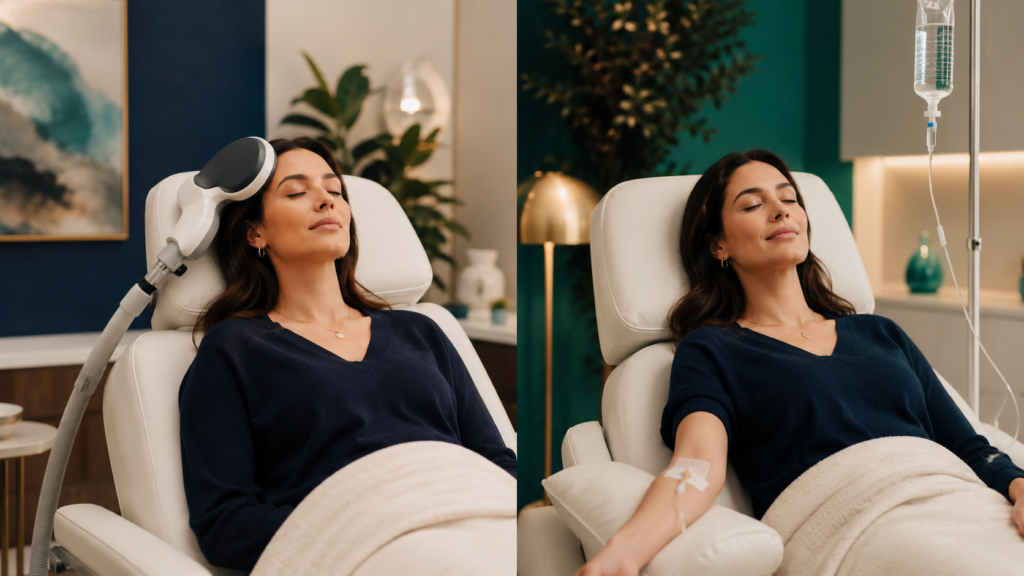
If you have been diagnosed with treatment-resistant depression, your psychiatrist has likely mentioned two names: TMS and ketamine. Both are available at NeuPath Mind Wellness, both have strong clinical track records, and both are designed specifically for people who have not gotten adequate relief from standard antidepressants. So how do you choose between them? The honest answer is that there is no single right answer that applies to every patient. TMS and ketamine work differently, feel different, fit different lifestyles, and tend to suit different clinical profiles. What the right choice looks like depends heavily on your specific situation, your history, and what matters most to you. This post will walk you through exactly how these two treatments compare so that when you sit down with a psychiatrist, you already have a solid foundation for that conversation. How They Work: Two Completely Different Mechanisms The first thing to understand is that TMS and ketamine are not variations of the same treatment. They are fundamentally different approaches to the same problem. TMS, or Transcranial Magnetic Stimulation, uses focused magnetic pulses delivered through a coil placed gently against your scalp to stimulate the area of the brain responsible for mood regulation. You are fully awake throughout the session. There is no drug involved, no altered state, and no recovery time. TMS works through neuroplasticity, the brain’s ability to build and strengthen neural connections over time. Each session builds on the previous one, and the results develop gradually and durably over the course of treatment. Ketamine works through an entirely different route. It is administered either as an IV infusion or, in the case of Spravato, as a nasal spray under clinical supervision. It works by blocking NMDA receptors in the brain and triggering a rapid surge in glutamate signaling, which jump-starts the growth of new synaptic connections. The antidepressant effect can appear within hours of the first session, which is one of ketamine’s most significant advantages. The Speed Difference This is often the most important factor for patients in the early stages of deciding. Ketamine is one of the fastest-acting antidepressant treatments in existence. Many patients feel a meaningful shift in mood within 24 to 48 hours of their first infusion. For someone in the middle of a severe depressive episode, that speed can be genuinely life-changing. TMS does not work that fast. The typical course runs four to six weeks, and most patients begin noticing improvement somewhere in the second or third week. The results build progressively rather than appearing quickly. If you are in acute distress and need relief as soon as possible, ketamine has a clear advantage on this dimension. If your situation is serious but not a crisis, and you are willing to invest in a treatment course that builds steadily, TMS is a strong option. What the Session Experience Is Like The day-to-day experience of these two treatments is very different, and for many patients this matters as much as the clinical data. A TMS session lasts between 19 and 37 minutes. You sit in a comfortable chair while a coil delivers a series of magnetic pulses to your scalp. You hear a clicking sound and feel a light tapping sensation. That is essentially the full experience. When the session ends, you drive yourself home, go to work, pick up your kids, or do whatever you had planned. There is no altered state, no impairment, and no recovery period needed. A ketamine infusion is a different kind of session. IV ketamine is administered over about 40 to 60 minutes in a monitored clinical environment. Most patients experience a dissociative state during the infusion, a dreamlike, floaty feeling that some find deeply therapeutic and others find disorienting. After the infusion, you need a recovery period before you can leave and you cannot drive yourself home. Plan to have someone with you. Neither experience is inherently better. Some patients find the ketamine infusion to be a meaningful, even profound experience that contributes to the therapeutic effect. Others strongly prefer the straightforwardness of TMS. Your lifestyle and preferences are legitimate factors in this decision. Side Effects: What to Expect From Each TMS has a minimal side effect profile. The most common complaints in early sessions are mild scalp tenderness and a light headache, both of which typically resolve within an hour and diminish after the first week as your scalp adjusts. There are no systemic side effects because TMS does not enter your bloodstream. Your sleep, appetite, sexual function, and cognitive performance are unaffected. Ketamine can cause nausea, dizziness, and elevated blood pressure during or shortly after infusions. The dissociative experience, while tolerated well by most patients, is not comfortable for everyone. These effects are temporary and resolve after the session. Ketamine does not carry the long-term systemic side effects associated with antidepressants, but the in-session experience is more physically and perceptually intense than TMS. How They Compare on Effectiveness Both treatments work. The evidence base for each is substantial. TMS achieves response rates of approximately 50 to 58 percent in patients with treatment-resistant depression, with remission in roughly 30 percent. Newer accelerated protocols have shown significantly higher numbers in clinical trials. Results tend to be durable, with many patients maintaining improvement for a year or more after completing a course. Ketamine produces response rates in the range of 50 to 70 percent depending on the patient population and protocol. Its advantages are the speed of onset and the ability to rapidly interrupt a severe depressive episode. The main challenge with ketamine is that the effects can diminish over time without maintenance infusions, meaning some patients need periodic booster sessions to sustain their improvement. One consideration worth noting: for patients who have tried ketamine and had a partial response, TMS can sometimes build on that improvement. And for patients who complete TMS and want to maintain their results or address a relapse, ketamine can serve as an effective bridge. The two treatments are not mutually exclusive at NeuPath, and
The Benefits of Ketamine Therapy For Your Health

In recent years, ketamine therapy has gained recognition as a new treatment for a variety of mental and physical health conditions. Originally designed as an anesthetic, ketamine’s therapeutic potential extends far beyond its usual applications. Today, clinics such as NeuPath Mind Wellness in Delray Beach provide ketamine therapy to individuals suffering from depression, anxiety, PTSD, and chronic pain. In this blog, we’ll discuss how ketamine therapy can improve your emotional and physical health. How Does Ketamine Work in Your Brain? Ketamine differs from typical antidepressants in its mechanism of action. While most antidepressants focus on serotonin and dopamine, ketamine interacts with glutamate, the brain’s most abundant excitatory neurotransmitter. By inhibiting NMDA (N-methyl-D-aspartate) receptors, ketamine helps the brain to generate new synaptic connections, effectively “rewiring” it. This technique encourages neuroplasticity, allowing patients to recover from deeply rooted mental health conditions. What’s even more impressive is ketamine’s rapid action. While antidepressants can take weeks to produce benefits, ketamine frequently delivers immediate relief, sometimes within hours. This rapid-response mechanism can be life-saving, especially for people suffering from severe depression. As research continues, it becomes obvious that ketamine therapy represents an innovative approach to treating mental health issues, particularly in people for whom traditional treatments have failed. Ketamine’s Impact on Mental Health One of the most compelling aspects of ketamine therapy is its capacity to drastically enhance mental health outcomes. For people suffering from treatment-resistant mental diseases such as depression, anxiety, and PTSD, ketamine therapy provides hope when previous treatments have failed. Let’s look at some of its primary benefits: – Rapid and Sustained Relief from Depression and Anxiety Many patients report significant mood improvements within hours of getting ketamine infusions. Unlike typical antidepressants, which might take weeks to work, ketamine delivers relief much faster, which is especially important for patients suffering from severe depression episodes. – Reduction in Self-harm Behaviors One of the most critical life-saving properties of ketamine is its ability to lessen thoughts of self-harm. In fact, it is commonly utilized in emergency psychiatric settings for people who are in danger of self-injury. – Improvement in PTSD Symptoms Ketamine can help people with post-traumatic stress disorder (PTSD) reduce the severity and frequency of disturbing symptoms like flashbacks and hypervigilance. Ketamine therapy may be particularly effective for veterans, trauma survivors, and others suffering from PTSD. – Enhanced Neuroplasticity Ketamine boosts the release of brain-derived neurotrophic factor (BDNF), which enhances neuroplasticity. This increased capacity for the brain to form new neural connections can accelerate and deepen the impact of therapy, leading to more profound and lasting results. The Benefits of Ketamine for OCD, Bipolar Disorder, and Other Mood Disorders New research reveals that ketamine could be a revolutionary treatment for other difficult-to-treat illnesses such as obsessive-compulsive disorder (OCD) and bipolar II disorder. According to research, ketamine is an effective therapy for obsessive thoughts, compulsive actions, and the mood swings that accompany these conditions. 1. Transition to Presence Ketamine promotes a transition in brain activity from a fear-based response to a state of presence. This transformation empowers individuals to engage more effectively in therapy and daily life, enabling them to concentrate on the present moment instead of succumbing to anxiety or past trauma. 2. Lowered Psychological Defenses One of ketamine’s unique effects is its ability to reduce psychological defenses, allowing repressed emotions and memories to surface. This can lead to deeper exploration and resolution of underlying issues, which may be difficult to access through traditional therapy alone. 3. Ego Dissolution for Reset At higher doses, ketamine can induce a state of ego dissolution, providing an organic reset for the mind. This experience often brings a new level of connection and awareness, helping individuals break through mental barriers and gain fresh perspectives on their challenges. 4. Access to Positive States Ketamine in low dosages can induce pleasant emotional states such as openness, creativity, gratitude, forgiveness, and insight. This increased emotional openness can be transformative, allowing people to experience a wider range of healing and personal development. 5. Gateway to Flow State Ketamine also facilitates the flow state, in which people can experience increased focus and clarity. This can result in fresh spiritual insights and a greater understanding of important concepts such as love, appreciation, and forgiveness, enhancing the therapy’s transforming power. By offering these unique psychological benefits, ketamine therapy can be a life-changing tool for those looking to overcome mental health challenges and achieve personal breakthroughs. Furthermore, one of the most surprising aspects of ketamine therapy is that it is non-addictive when administered in a controlled medical setting, making it a safe option for patients who are concerned about developing a dependency on other medications. Beyond the Mind: Ketamine’s Surprising Physical Benefits Ketamine’s benefits extend beyond its well-documented effects on mental health. This versatile therapy is also showing promise in treating a variety of chronic pain conditions, particularly those that do not respond well to conventional treatments. To fully experience these transformative benefits, it’s crucial to administer ketamine therapy correctly and under the supervision of qualified professionals. At NeuPath Mind Wellness, treatments are guided by licensed medical professionals in a safe and carefully monitored environment. The Benefits of Ketamine Therapy for Treatment-Resistant Conditions Ketamine has demonstrated extraordinary efficacy in treating conditions that have proven resistant to conventional therapy. For people suffering from Major Depressive Disorder (MDD), Treatment-Resistant Depression (TRD), PTSD, or bipolar illness, ketamine provides an alternative avenue of hope. Its rapid-acting nature makes it especially useful for patients who have not reacted to traditional antidepressants, as it provides relief in hours or days rather than weeks. In addition to mood disorders, ketamine is being studied for its ability to treat Obsessive-Compulsive Disorder (OCD), substance use disorders, and chronic pain diseases that have not responded to traditional therapies. Ketamine, which targets brain systems in ways that conventional medicines cannot, provides a key lifeline for individuals dealing with difficult-to-treat mental health and pain-related issues. Experience Transformation at NeuPath Mind Wellness: Your Delray Beach Ketamine Clinic If you’ve been dealing with depression, anxiety, PTSD, migraine, obsessive-compulsive
Ketamine Infusion Therapy: Everything You Should Know

Ketamine infusion therapy has emerged as a new treatment option for those suffering from a variety of mental health disorders. Ketamine, once primarily used as an anesthetic, is now gaining popularity for its rapid-acting effects on depression, anxiety, PTSD, and chronic pain. In this blog, we will explain everything you need to know about ketamine, its therapeutic applications, and what to expect from ketamine infusion therapy. Understanding Ketamine Ketamine is a powerful medicine with a complex history and numerous applications. Before delving into its therapeutic applications, it’s important to know what ketamine is and how it works. What is Ketamine? Ketamine is a 60+ year-old anesthetic used medically for induction and maintenance of anesthesia, and has been FDA approved as an anesthetic since 1970. In the 1960s, scientists first created and manufactured ketamine to be used as an alternative to the commonly used surgical anesthetics of the time. Due to its strong safety profile, sedative and pain-relieving effects, it is still commonly utilized in medical settings today. However, in recent years, ketamine has gained acceptance as a treatment for mental health disorders, particularly through ketamine infusion therapy. Is Ketamine Legal? Yes, ketamine is legal in the United States, however it is considered a Schedule III controlled substance. This means that it is prescribed and can be lawfully administered by healthcare experts. While ketamine is FDA-approved for use as an anesthetic, it is not yet FDA-approved for treating depression and psychiatric mood disorders. However, its off-label usage for this purpose is lawful and increasingly common when supervised by a certified healthcare professional. What Does Ketamine Do to Your Brain? Is it a Psychedelic? Ketamine acts by interacting with NMDA receptors in the brain, which are responsible for mood modulation and pain perception. By inhibiting these receptors, ketamine can cause rapid changes in brain activity that reduce depression and anxiety. Despite its dissociative effects that can alter perception, ketamine is not considered a classic psychedelic like LSD or psilocybin. However, there are some similarities, such as generating altered states of consciousness. Ketamine Forms of Administration There are numerous methods to administer ketamine, including: Healthcare specialists must supervise the treatment, regardless of its administration method. What is Ketamine Infusion Therapy? Ketamine infusion therapy is a clinical procedure that involves giving a regulated dose of ketamine intravenously over a period of 40 minutes to an hour. This procedure ensures that the medicine is administered directly into the bloodstream, giving you precise control over dosage and timing. Experienced healthcare professionals administer the treatment in a clinical setting, monitoring the patient’s response and adjusting the dosage as necessary. Ketamine infusion therapy is particularly useful in treating mental health illnesses that have failed to respond to previous treatments, such as treatment-resistant depression, severe anxiety disorders, and some chronic pain conditions. How Does Ketamine Therapy Work? Ketamine therapy works by modifying the brain’s chemical pathways in a way that differs from typical antidepressants and painkillers. Ketamine specifically interacts with the brain’s NMDA (N-methyl-D-aspartate) receptors, which play a role in mood regulation and pain perception. Ketamine works by inhibiting these receptors to help reset abnormal brain activity patterns, which can result in immediate and significant changes in mood and pain levels. The patient typically relaxes in a comfortable chair during a ketamine infusion session, during which an IV drip administers the ketamine over a 40-minute to hour-long period. This controlled administration allows the healthcare provider to assess the patient’s experience and alter the dose as needed. Most patients report experiencing the effects of the infusion within minutes, which can include dissociation or mild euphoria, followed by a considerable reduction in depressive or anxious symptoms, and an expansive discovery and awareness of new thinking. What is Ketamine Infusion Therapy Prescribed For? Ketamine infusion therapy is usually recommended for those who have not responded to traditional treatments, making it an excellent choice for those who believe they have exhausted all other options. Ketamine infusion therapy is most commonly used to treat the following conditions: Ketamine infusion therapy can also be used to treat illnesses like bipolar disorder, obsessive-compulsive disorder (OCD), and certain substance use disorders, although these are uncommon and often require specialized care. Who is a good candidate for ketamine therapy? Who is not? Typically, good candidates for ketamine therapy include individuals who: However, those who are not able to benefit from ketamine therapy include: Before beginning ketamine infusion therapy, patients have a thorough medical and psychological evaluation to determine whether the treatment is safe and likely to be beneficial for their unique problem. This tailored approach guarantees that each patient receives the care that best meets their needs. Ketamine Infusion Therapy Side Effects and What to Expect After a Treatment Common adverse effects of ketamine infusion therapy may include dizziness, nausea, and moderate disorientation. These effects are mostly minor and typically fade immediately after the session. Most patients can return to normal activities within a few hours; however, some may experience residual weariness or moderate confusion. Looking to Get Ketamine Infusion Therapy in Florida? If you’re considering ketamine infusion therapy and live in or near Delray Beach, FL, it’s essential to find a clinic that not only provides expert care but also aligns with your overall wellness goals. At NeuPath Mind Wellness, we believe that everyone deserves the opportunity to live a life of optimal mental, physical, and spiritual wellness—and provide a unique, elevated ketamine therapy experience for our clients. Visit NeuPath Mind Wellness: A Delray Beach, FL Ketamine Clinic At NeuPath Mind Wellness, our mission is to make sustainable, evidence-based wellness treatments accessible to everyone. We believe that true wellness includes more than just physical health. That is why we incorporate emotional and spiritual well-being into our treatment regimens, ensuring that each patient receives customized treatment that meets their unique requirements. At NeuPath Mind Wellness, we don’t just treat symptoms; we aim to transform lives. By combining cutting-edge treatments like ketamine infusion therapy with a holistic, patient-centered approach, we empower you to achieve lasting wellness. Contact us