Online Ketamine vs. In-Person Ketamine: Why Clinic-Based Care Matters
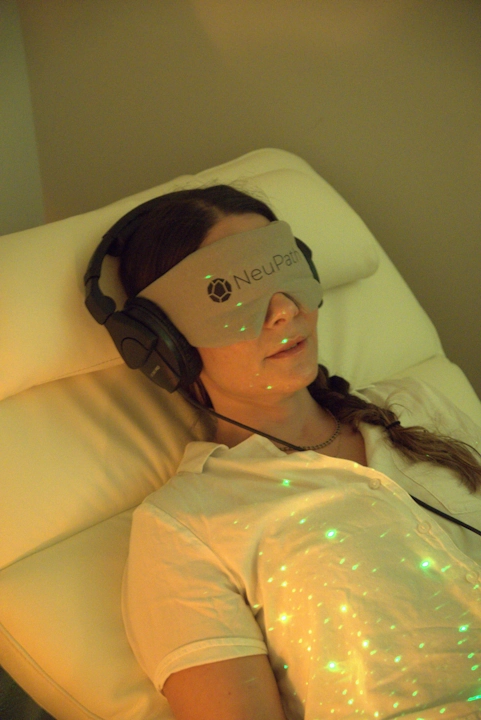
Over the last few years, a new category of mental health service has emerged: online ketamine therapy. Companies like Mindbloom, Joyous, and others now offer ketamine treatment that can be prescribed remotely and taken at home, without a clinic visit, without medical supervision during the session, and without the oversight of a psychiatrist who knows your full history. For patients who have been struggling with depression and are looking for any path forward, the appeal is understandable. It is accessible, relatively affordable, and does not require you to leave your house. But the convenience comes with trade-offs that are worth understanding clearly before you make a decision. This post lays out exactly how online and in-person ketamine differ, where each approach has merit, and why for most patients dealing with serious depression, clinic-based care at a practice like NeuPath Mind Wellness produces meaningfully better outcomes. What Online Ketamine Actually Is Online ketamine services operate through a telehealth model. A patient completes an intake form and a brief virtual consultation with a prescribing clinician, often a nurse practitioner rather than a psychiatrist, and if approved receives a prescription for oral or sublingual ketamine lozenges that are mailed to their home. The patient then takes the ketamine at home, typically alone or with a friend or partner, without any clinical monitoring during the session. Some platforms provide a virtual companion or therapist to check in before and after, but the session itself is unsupervised. The ketamine used in these models is almost always oral or sublingual, meaning it is swallowed or dissolved under the tongue. This form of administration has significantly lower bioavailability than intravenous ketamine, meaning a much smaller proportion of the drug actually reaches the brain. The dissociative experience is milder, the therapeutic effect is less predictable, and the dosing is less precise. What In-Person Ketamine at NeuPath Looks Like At NeuPath Mind Wellness, ketamine therapy is administered intravenously under direct medical supervision in a calm, private clinical environment. IV ketamine delivers the drug directly into the bloodstream at a precisely controlled rate, producing consistent plasma concentrations and a predictable, clinically meaningful therapeutic effect. The session is monitored throughout by trained clinical staff who track your vital signs, adjust the infusion rate as needed, and are present for the entirety of the experience. Your treatment at NeuPath is overseen by a psychiatrist who knows your full history, your diagnosis, your medication background, and your treatment goals. Dosing decisions are made by that psychiatrist based on your individual response, not by a remote prescriber who spent fifteen minutes reviewing your intake form. Before your first infusion, you have a comprehensive psychiatric evaluation. After each session, your response is assessed and your treatment plan is adjusted accordingly. The ketamine does not exist in isolation from the rest of your care. The Key Differences Bioavailability and Therapeutic Effect This is the most clinically significant difference between the two models. IV ketamine has near-complete bioavailability. When delivered intravenously, essentially all of the drug reaches systemic circulation and crosses the blood-brain barrier at the intended concentration. The therapeutic effect is consistent, predictable, and well-documented across decades of clinical research. Oral and sublingual ketamine have bioavailability of approximately 20 to 30 percent. The majority of the drug is broken down in the digestive tract and liver before it reaches the brain. What arrives at the target site is a fraction of the administered dose, at concentrations that are harder to predict and control. This difference matters clinically. The robust antidepressant effects documented in ketamine research are based almost entirely on intravenous administration. Extrapolating those results to oral formulations requires assumptions that the evidence does not yet fully support. Medical Supervision and Safety Ketamine is a dissociative anesthetic. During an infusion, patients experience altered states of perception, changes in sense of time and space, and in some cases intense emotional or psychological experiences. These effects are transient and resolve after the session, but they require clinical oversight. At NeuPath, a trained clinician is present throughout every infusion. Vital signs are monitored continuously. If a patient experiences cardiovascular changes, significant distress, or an unexpected reaction, the clinical team responds immediately. Taking ketamine at home alone removes that safety net entirely. The risk is not theoretical. Ketamine affects blood pressure and heart rate, can cause nausea and vomiting in some patients, and produces psychological experiences that can be disorienting or distressing without appropriate support. Unsupervised use in a home environment introduces risks that supervised clinical administration does not. Psychiatric Oversight Perhaps the most underappreciated difference between online and in-person ketamine is the quality of the clinical relationship overseeing the treatment. Online ketamine platforms are primarily prescription services. The clinical relationship is thin by design. A brief telehealth consultation, often with a non-psychiatrist prescriber, is not equivalent to a comprehensive psychiatric evaluation with a clinician who understands the full complexity of your depression, your comorbidities, your medication history, and your treatment goals. At NeuPath, your ketamine treatment is embedded within a broader psychiatric care relationship. Your psychiatrist monitors your response over the course of treatment, identifies when a different approach might serve you better, and coordinates your ketamine care with any other treatments you are receiving, including TMS, Spravato, or GeneSight-informed medication management. That coordination is not possible in a model where the prescriber met you once on a video call. Integration With Other Treatments For many patients, ketamine works best as part of a broader treatment strategy rather than as a standalone intervention. The neuroplastic window that ketamine opens, the period immediately following an infusion when the brain is particularly receptive to new learning and connection, is an opportunity that can be amplified by therapy, by TMS, or by other supportive interventions. At NeuPath, we can combine ketamine with TMS therapy, Spravato, and psychiatric medication management in a coordinated plan. Online ketamine platforms offer none of this. The ketamine is the product, and the clinical relationship ends there. Where Online Ketamine Has a Role This post is not
Is GeneSight Testing Covered by Insurance?

One of the first questions patients ask when they learn about GeneSight genetic testing is whether their insurance will cover it. It is the right question to ask, and the answer is more favorable than most people expect. GeneSight testing is covered by many insurance plans, including Medicare, for patients who meet clinical criteria. At NeuPath Mind Wellness, we verify your coverage before the test is ordered so there are no surprises and no unexpected bills. Here is everything you need to know about GeneSight insurance coverage, which plans cover it, what the requirements are, and what your options are if your plan does not cover it. Why Insurance Covers GeneSight GeneSight is not an experimental test. It is a clinically validated pharmacogenomic tool developed by Myriad Genetics, one of the leading genetic testing laboratories in the United States, with over a decade of peer-reviewed research supporting its clinical utility. Insurance companies cover GeneSight because the evidence demonstrates that pharmacogenomic-guided prescribing reduces the number of failed medication trials, lowers hospitalization rates, and produces better outcomes for patients with depression and other psychiatric conditions. From a payer perspective, a test that costs a few hundred dollars and reduces months of ineffective medication trials is a sound investment. The landmark GUIDED trial, a large randomized controlled study published in the Journal of Psychiatric Research, found that patients whose treatment was guided by GeneSight results experienced significantly greater symptom improvement and higher remission rates compared to patients receiving treatment as usual. This kind of evidence is what moves insurers to establish formal coverage policies. Which Insurance Plans Cover GeneSight? GeneSight is covered by a broad range of commercial insurance plans as well as Medicare. Plans that commonly cover GeneSight testing include: Coverage policies and criteria vary by plan and change periodically. The most reliable way to confirm your specific coverage is to contact our team at NeuPath and we will verify your benefits directly before the test is ordered. What Are the Typical Coverage Requirements? Most insurance plans that cover GeneSight require the following: A psychiatric diagnosis. Coverage is most consistently available for patients with a diagnosis of major depressive disorder, anxiety disorder, PTSD, OCD, or another psychiatric condition for which the test results would inform treatment decisions. A documented medication history. Insurers typically require evidence that the patient has tried at least one psychiatric medication. For patients who are starting treatment for the first time, some plans will cover GeneSight as a proactive tool, though criteria are more stringent in these cases. A treating psychiatrist or qualified provider. Coverage requires that the test is ordered by a licensed psychiatrist or qualified mental health provider as part of an active treatment relationship. At NeuPath, all GeneSight testing is ordered and interpreted by our psychiatric team, which satisfies this requirement. Medical necessity documentation. Your psychiatrist provides clinical documentation supporting the medical necessity of the test, typically including your diagnosis, medication history, and the clinical rationale for pharmacogenomic testing. Does Medicare Cover GeneSight? Yes. Medicare Part B covers GeneSight testing for patients with depression and other psychiatric conditions who meet clinical criteria. This is particularly significant for patients 65 and older, who often have complex medication histories and are at higher risk for drug-drug interactions that GeneSight can help identify. Medicare Advantage plans generally follow similar coverage guidelines, though the specific terms vary by plan. Our team verifies Medicare coverage and handles all necessary documentation for Medicare patients exactly as we do for commercial insurance patients. What If My Insurance Does Not Cover GeneSight? If your insurance plan does not cover GeneSight or your claim is denied, there are several options available. The Myriad Patient Assistance Program. Myriad Genetics, the laboratory that processes GeneSight tests, offers a robust patient assistance program for patients whose insurance does not cover the test. Under this program, patients who meet income eligibility criteria pay no more than $330 out of pocket, and many pay significantly less. Our team can walk you through the application process. Appeals. Insurance denials for GeneSight can often be successfully appealed, particularly when your psychiatrist provides a detailed clinical justification. Our team assists with the appeals process and can provide the documentation needed to support your case. Out-of-pocket testing. For patients who choose to pay out of pocket without going through the assistance program, the cost of GeneSight testing is significantly lower than the cumulative cost of multiple failed medication trials in terms of time, productivity, and quality of life. How NeuPath Handles the Insurance Process At NeuPath Mind Wellness, we manage the insurance verification and documentation process for GeneSight the same way we do for TMS and Spravato. You do not need to navigate this on your own. Here is how it works: Step 1: During your consultation, your psychiatrist determines that GeneSight testing is clinically appropriate for your situation. Step 2: Our team contacts your insurer to verify your GeneSight benefits and confirm whether prior authorization is required. Step 3: If prior authorization is needed, our team submits the necessary clinical documentation on your behalf. Step 4: Once coverage is confirmed, the test is ordered. A simple cheek swab is collected at our clinic, the sample is sent to Myriad’s laboratory, and results are returned within a few days. Step 5: Your psychiatrist reviews the results with you and integrates the findings into your treatment plan. You will know what your plan covers before the test is ordered. No surprises. GeneSight as Part of Your Broader Treatment Plan at NeuPath At NeuPath Mind Wellness, GeneSight testing does not exist in isolation. It is one component of a comprehensive psychiatric care model that includes medication management, TMS therapy, ketamine infusion therapy, Spravato, and ongoing psychiatric support. For patients who are also receiving TMS or ketamine at NeuPath, GeneSight results inform the medication component of their care in parallel, ensuring that every element of the treatment plan is working in the same direction. A patient receiving TMS who is simultaneously on a poorly matched
Why Antidepressants Stop Working and What to Do Next

You found a medication that helped. Maybe it took a few tries to get there, but eventually something worked. Your mood lifted, the weight of depression eased, and for a while you felt like yourself again. Then, gradually or suddenly, it stopped working. This experience has a name. Clinicians call it antidepressant tachyphylaxis, though patients more often describe it simply as their medication pooping out. It is more common than most people realize, affects a significant proportion of patients on long-term antidepressant therapy, and is one of the most frustrating experiences in psychiatric treatment because it raises a question that feels impossible to answer: if the thing that was working has stopped working, what do you do next? This post answers that question directly. Why Antidepressants Stop Working Before exploring what to do next, it helps to understand why this happens. There is no single explanation that applies to every patient, but the most well-supported mechanisms include the following. Neurobiological adaptation. The brain is constantly adjusting to its chemical environment. When an antidepressant increases serotonin availability in the synaptic cleft, the brain responds over time by downregulating serotonin receptors, reducing their number or sensitivity to compensate for the increased stimulation. Eventually this adaptation can offset the therapeutic effect of the medication, even at the same dose. Changes in your biology over time. Depression is not a static condition and neither is the biology underlying it. Hormonal shifts, aging, changes in inflammation levels, metabolic changes, and the natural progression of the illness itself can all alter how your brain responds to a medication that previously worked well. Genetic factors you did not know about. Your liver enzymes, particularly the cytochrome P450 family, play a major role in how quickly your body clears medications from your system. These enzyme activity levels can shift with age, with other medications you start taking, or with changes in diet. A medication that was previously metabolized at an ideal rate may begin clearing too quickly or too slowly over time, taking it out of its therapeutic window. Stress and life circumstances. Major stressors, trauma, grief, relationship changes, and other life events can overwhelm the capacity of a medication that was previously sufficient. The antidepressant has not changed but the load it is being asked to carry has increased beyond what it can manage. The medication was never fully working. Sometimes what felt like a response was a partial improvement or a placebo component that has faded. This is not a moral failing. It is a reflection of how difficult it is to distinguish between a genuine pharmacological response and the natural variability of depression over time. What Not to Do Before covering what works, it is worth addressing the most common unhelpful responses to antidepressant failure, because they are tempting and understandable but rarely productive. Do not simply increase the dose without guidance. Dose escalation is sometimes clinically appropriate but it is not always the answer and can increase side effects without improving efficacy if the underlying issue is adaptation or a genetic mismatch rather than underdosing. Do not stop abruptly. Discontinuing antidepressants suddenly can cause discontinuation syndrome, a cluster of symptoms including dizziness, nausea, flu-like feelings, and mood instability that is often mistaken for relapse. Always taper under psychiatric supervision. Do not assume you are out of options. This is the most important point in this section and arguably in this entire post. A medication stopping working is not evidence that your depression is untreatable. It is evidence that your current approach needs to change. What to Do Next: Your Options Option 1: Optimize Your Current Medication Before switching medications entirely, there are several adjustments worth exploring with your psychiatrist. A dose adjustment, either up or down, may restore efficacy. Timing changes, such as shifting from morning to evening dosing, can affect how the drug is metabolized. Adding a short-term augmentation agent, a second medication that works alongside the antidepressant, is a well-established strategy for restoring response. Common augmentation options include lithium, atypical antipsychotics like aripiprazole or quetiapine, or buspirone. None of these adjustments should be made without psychiatric oversight, but they are often the first reasonable step before moving to a full medication switch. Option 2: Switch to a Different Antidepressant If optimization does not restore response, switching medications is the next logical step. This is where the trial-and-error problem becomes most acute. Without additional information, the choice of which medication to try next is largely educated guesswork. This is exactly the situation GeneSight genetic testing is designed to improve. Option 3: GeneSight Genetic Testing GeneSight analyzes your DNA to identify how your body metabolizes psychiatric medications and how your brain is likely to respond to them. The test produces a color-coded report that categorizes every major antidepressant as likely to work well, likely to require caution, or likely to carry elevated risk based on your specific genetic profile. For patients cycling through failed medication trials, GeneSight can reveal whether genetic factors are contributing to the pattern. A patient who is an ultra-rapid metabolizer of CYP2D6-dependent medications, for example, may have been clearing SSRIs so quickly that they never reached therapeutic concentration, explaining a long history of apparent non-response to multiple drugs in the same class. GeneSight does not guarantee that the next medication will work. But it replaces guesswork with data, and for patients who have already spent months or years on medications that were never a good genetic match, that shift in approach can be genuinely transformative. GeneSight testing is available at NeuPath Mind Wellness across all three of our South Florida locations and is covered by many insurance plans including Medicare. Option 4: TMS Therapy If medication optimization and switching have not produced adequate relief, Transcranial Magnetic Stimulation is one of the most well-supported next steps available. TMS is FDA-approved for treatment-resistant depression and works through an entirely different mechanism than antidepressants. Rather than altering brain chemistry through the bloodstream, TMS uses focused magnetic pulses to directly stimulate the neural
What Is GeneSight Genetic Testing and How Can It Help Your Treatment?
If you have tried multiple antidepressants and none of them have worked the way you hoped, there is a question worth asking before you try another one: is the problem the medication, or is the problem that the medication was never a good match for your biology in the first place? GeneSight genetic testing exists to answer that question. It is a simple cheek swab that analyzes your DNA and tells your psychiatrist which medications are likely to work well for you, which ones may work poorly, and which ones carry an elevated risk of side effects based on your specific genetic profile. It does not replace clinical judgment. It informs it, with data that was not available to psychiatrists a generation ago. At NeuPath Mind Wellness, GeneSight testing is available across all three of our South Florida locations and is one of the tools we use to build genuinely personalized treatment plans for patients who have spent too long cycling through medications that were never right for them. The Problem GeneSight Solves The standard approach to prescribing antidepressants has always involved a significant degree of guesswork. A psychiatrist evaluates your symptoms, considers your history, and selects a medication based on clinical guidelines and experience. If it does not work, or if the side effects are intolerable, you try another one. And another. And another. This trial-and-error process is not a failure of psychiatry. It reflects a genuine gap in the information available. Until recently there was no reliable way to know in advance how a specific patient’s body would process a specific medication. The same dose of the same drug can produce vastly different effects in two different people, and the reason for that difference is largely genetic. Approximately 40 percent of patients with depression do not achieve remission with their first antidepressant. Many cycle through multiple medications over months or years before finding something that works, if they find it at all. Each failed trial is not just a clinical setback. It is months of a patient’s life spent feeling worse than necessary, often with side effects layered on top of the underlying illness. GeneSight closes that information gap. How GeneSight Works GeneSight is a pharmacogenomic test, meaning it analyzes the relationship between your genes and how your body responds to medications. The test is developed and processed by Myriad Genetics, one of the leading pharmacogenomics laboratories in the United States. The process at NeuPath is simple: Step 1: The swab. A clinician collects a DNA sample using a simple cheek swab. The process takes less than a minute and is completely painless. Step 2: Laboratory analysis. The sample is sent to Myriad’s laboratory where your DNA is analyzed across a panel of genes relevant to psychiatric medication metabolism and response. Step 3: The report. Within a few days your psychiatrist receives a detailed GeneSight report that categorizes each medication in the psychiatric formulary into one of three groups based on your genetic profile. Step 4: Clinical integration. Your psychiatrist reviews the results with you and uses the findings to inform your treatment plan, whether that means adjusting your current medication, switching to a better-matched alternative, or confirming that your current approach is genetically sound. What the GeneSight Report Shows The GeneSight report organizes medications into three color-coded categories: Use as directed (green). Medications in this category are predicted to be processed normally by your body based on your genetic profile. They carry no elevated genetic risk and are reasonable options from a pharmacogenomic standpoint. Use with caution (yellow). Medications in this category may be less effective or may require dose adjustments due to how your genes affect their metabolism. Your psychiatrist may still prescribe them but will do so with the genetic data in mind. Use with increased caution and more frequent monitoring (red). Medications in this category carry a higher genetic risk of reduced efficacy, adverse reactions, or significant metabolic interactions. This does not mean they are never appropriate, but the data suggests they warrant careful consideration and close monitoring if prescribed. The report covers antidepressants, antipsychotics, anxiolytics, mood stabilizers, and other psychiatric medications, giving your psychiatrist a comprehensive genetic map of the entire psychiatric formulary as it applies to your specific biology. What Genes Does GeneSight Test? The GeneSight panel focuses primarily on two categories of genes: Pharmacokinetic genes govern how your body processes and metabolizes medications. The most clinically significant are the cytochrome P450 enzymes, particularly CYP2D6, CYP2C19, and CYP2C9. These enzymes are responsible for breaking down a large proportion of psychiatric medications in the liver. Genetic variants in these enzymes can make you a poor metabolizer, meaning a standard dose builds up to toxic levels in your system, or an ultra-rapid metabolizer, meaning your body clears the drug so quickly it never reaches therapeutic concentration. Either extreme explains why some patients feel terrible on medications that work well for others, or why a medication seems to stop working after a period of effectiveness. Pharmacodynamic genes influence how your brain responds to a medication once it has been absorbed. These include genes like SLC6A4, which affects serotonin transport and influences how patients respond to SSRIs, and MTHFR, which affects folate metabolism and has been associated with antidepressant response and treatment resistance. Understanding both dimensions, how your body processes the drug and how your brain responds to it, gives your psychiatrist a significantly more complete picture than symptom history alone. What GeneSight Can and Cannot Tell You GeneSight is a powerful tool but it is important to understand what it does and does not do. What it can tell you: What it cannot tell you: At NeuPath, GeneSight results are always interpreted by a psychiatrist within the full context of your clinical picture. The report is a data input, not a prescription. Who Benefits Most From GeneSight Testing? GeneSight is valuable for a wide range of patients, but it tends to produce the most meaningful clinical impact for those in the following situations: Patients
How Many TMS Sessions Do You Need for Depression?
If you are considering TMS therapy for depression, one of the first practical questions you will ask is how long it actually takes. How many sessions? How often? How many weeks out of your life are we talking about? These are the right questions to ask before you commit, and the answers are more straightforward than you might expect. This post covers everything you need to know about TMS session numbers, frequency, duration, and what happens after your initial course ends. The Standard TMS Course A standard TMS course for depression consists of 36 sessions delivered five days a week, Monday through Friday, over approximately six to seven weeks. Some protocols are slightly shorter, running 20 to 30 sessions over four to five weeks, depending on the specific TMS system being used and your psychiatrist’s clinical judgment. The five-days-a-week frequency is not arbitrary. TMS works through neuroplasticity, the process by which the brain builds and strengthens neural connections through repeated stimulation. Consistent, frequent sessions are what drive that process forward. Spacing sessions too far apart reduces the cumulative effect and diminishes outcomes. Each individual session runs between 19 and 37 minutes depending on the protocol. You arrive, sit in the treatment chair, complete the session, and leave. No recovery time, no downtime, no disruption to the rest of your day. Why the Number of Sessions Varies Not every TMS course looks identical. Several factors influence how many sessions your psychiatrist recommends: The TMS system and protocol. Different FDA-cleared TMS devices use different pulse patterns and frequencies. The NeuroStar system, for example, uses a standard protocol of 36 sessions. Brainsway Deep TMS uses a similar course length. Newer theta burst stimulation protocols can deliver equivalent therapeutic effects in sessions as short as three minutes, which is why accelerated formats have become increasingly viable. Your diagnosis and symptom severity. Patients with more severe or longstanding depression may benefit from a full 36-session course rather than a shorter one. Patients whose symptoms begin responding early may reach remission before the course is complete, though most psychiatrists recommend completing the full course regardless to consolidate the gains. Your response to previous treatments. Patients who have tried multiple antidepressants without success, the classic treatment-resistant profile, sometimes benefit from a longer initial course or a higher stimulation intensity compared to patients who are trying TMS as a first alternative to medication. Whether you are combining TMS with other treatments. At NeuPath, some patients receive TMS alongside ketamine therapy or Spravato as part of an integrated treatment plan. The combination can influence the optimal TMS course length. When Will You Start Feeling Better? This is the question behind the question for most patients. The session count matters partly because it tells you how long you will be waiting to feel relief. The honest answer is that TMS improvement is gradual and builds over the course of treatment rather than arriving suddenly. Here is a general timeline based on what most patients experience: Weeks one and two. Most patients notice little to no change during this period. The brain is beginning to respond to stimulation but the changes are not yet clinically meaningful. This is normal and expected. It does not mean the treatment is not working. Weeks three and four. This is where most patients begin to notice something. Sleep often improves first. The flat, heavy quality of depression may begin to lift slightly. Motivation or energy may return in small increments. Some patients notice that their mood is a little more variable, which after a long period of flat depression can itself feel significant. Weeks five and six. For patients who will respond to TMS, meaningful improvement is typically evident by this point. Depressive symptoms are measurably reduced. Some patients reach full remission within the standard course. After the course ends. TMS results continue to develop even after treatment concludes. The neuroplastic changes initiated during the course consolidate over the following weeks and months. Many patients report that their best outcomes came four to six weeks after their final session. What If You Do Not Respond Within the Standard Course? Not every patient responds to a standard TMS course, and it is important to know what options exist if that happens to you. Extended courses. Some psychiatrists recommend additional sessions beyond the standard 36 if a patient is showing partial improvement but has not yet reached an adequate response. Insurance coverage for extended courses varies by plan and requires clinical justification. Protocol adjustments. If your initial course used a standard TMS protocol without sufficient response, switching to a deep TMS protocol or a theta burst stimulation format may produce different results. The two approaches stimulate the brain differently and some patients respond better to one than the other. Combination approaches. At NeuPath, patients who have a partial TMS response sometimes move to ketamine therapy or Spravato to build on the gains TMS has initiated. The two treatments work through different mechanisms and can complement each other in ways that neither achieves alone. Re-evaluation. Sometimes a lack of response points to a need for a fuller diagnostic picture. GeneSight genetic testing, available at NeuPath, can identify whether there are pharmacogenomic factors affecting your response to both medications and treatments, and help your psychiatrist refine the overall approach. What About Maintenance Sessions? TMS produces durable results for most patients, but depression is a chronic condition for many people and symptoms can return over time. Maintenance TMS is a recognized and commonly used strategy for sustaining the benefits of an initial course. Maintenance looks different for different patients. Some people return for a booster course of 5 to 10 sessions once or twice a year when they notice early warning signs of a relapse. Others do a monthly maintenance session as a preventive measure. There is no single standard protocol for maintenance, and the right approach depends on your individual history and how your depression tends to behave over time. The practical advantage of maintenance TMS over maintenance
What to Expect During Your First TMS Therapy Session

Starting any new medical treatment comes with questions. What will it feel like? How long does it take? Will it hurt? What happens if I react badly? These are completely reasonable things to wonder about, and for most people considering TMS therapy, the uncertainty around the experience itself is one of the biggest barriers to taking the first step. The good news is that TMS is one of the most straightforward treatment experiences in modern psychiatry. No anesthesia, no recovery time, no altered states, and no need to clear your schedule around it. Most patients tell us that after their first session, the main thing they feel is relief that it was so much simpler than they expected. This post walks you through exactly what happens, from the moment you arrive to the moment you leave, so there are no surprises. Before Your First Session: The Initial Evaluation TMS does not begin on the first day you walk in. Before any treatment starts, you will have a full psychiatric evaluation with one of our NeuPath clinicians. This is not a formality. It is a genuinely important step that shapes everything that follows. During this evaluation your psychiatrist will review your full psychiatric history, including previous diagnoses, medications you have tried, and how your symptoms have evolved over time. They will also screen for any contraindications to TMS, the most important of which is metal implants in or near the skull, such as cochlear implants, deep brain stimulators, or aneurysm clips. Dental fillings, braces, and joint replacements elsewhere in the body are not a concern. You do not need to fast beforehand. You do not need to stop any medications unless your psychiatrist specifically advises it. You do not need to arrange for anyone to drive you. You can come in, have the evaluation, and drive yourself home afterward exactly as you would after any other medical appointment. If you are also being considered for insurance coverage, this evaluation is where the clinical documentation that supports your prior authorization begins. Mapping Your Brain: The Motor Threshold Test On your first actual treatment session, before the coil delivers a single therapeutic pulse, your technician will perform what is called a motor threshold test. This sounds technical but is completely painless and takes only a few minutes. The motor threshold test determines the precise level of magnetic stimulation your brain responds to. Everyone’s brain is slightly different, and the dose of TMS needs to be calibrated to your individual neurology rather than applied at a fixed setting. To find your threshold, the technician positions the coil over the area of your scalp that corresponds to the motor cortex, the region that controls hand movement, and gradually increases the pulse intensity until your thumb or fingers produce a small, involuntary twitch. That twitch is the signal. It tells your technician exactly how much magnetic stimulation your brain needs to respond, and your therapeutic dose is then calculated as a percentage of that threshold. The result is a precisely personalized treatment, not a one-size-fits-all setting. This calibration is repeated periodically throughout your treatment course if your hair length changes significantly, since even a few centimeters of additional distance between the coil and your scalp can affect the dose. The Treatment Session Itself Once your threshold is mapped, the actual treatment begins. Here is what the experience looks like from start to finish. You sit in a comfortable chair. The TMS chair is reclined like a dentist’s chair but considerably more comfortable. You remain fully clothed. There is nothing to change into and nothing attached to your body. The coil is positioned against your scalp. Your technician places the TMS coil, a device roughly the size and shape of a figure-eight paddle, gently against the left side of your head. It rests on the surface of your scalp and does not apply pressure or cause any discomfort at the point of contact. The pulses begin. You will hear a rapid clicking or tapping sound as the coil activates. Simultaneously you will feel a light tapping sensation on your scalp in the area where the coil is positioned. Most patients describe it as a woodpecker-like sensation, rhythmic and localized. It is not painful for most people, though it can feel unfamiliar or slightly intense in the first couple of sessions before you adjust to it. You stay fully awake and alert. There is no sedation, no medication administered, and no altered state of any kind. You can listen to music, watch something on your phone, or simply sit quietly. Some patients use the time to meditate. Others catch up on podcasts. The session does not require your active participation beyond sitting still. The session ends. A standard TMS session runs between 19 and 37 minutes depending on the protocol being used. NeuPath also offers accelerated TMS formats including our One-Day TMS option for patients who need a compressed timeline. When the session is complete, the coil is removed, you stand up, and you leave. That is the full experience. What You Might Feel During the Session The most common sensations during TMS are: Scalp tapping. The magnetic pulses create a rhythmic tapping feeling on the skin directly under the coil. This is the most universal part of the experience and diminishes noticeably after the first week as your scalp adjusts. Jaw or facial muscle movement. Some patients notice subtle, involuntary twitching in the jaw or facial muscles during certain pulse sequences. This is normal, harmless, and typically reduces as the technician fine-tunes the coil position. A mild headache. Some patients, particularly in the first few sessions, develop a light tension headache that resolves within an hour or so after the session. Over-the-counter pain relief works fine if needed. This side effect tends to fade after the first week. What you will not feel: dizziness, nausea, sedation, cognitive impairment, or anything that would prevent you from driving, working, or carrying on with your day. TMS has no
Spravato vs. Ketamine Infusions: Which is Right for You?
If you have been researching advanced treatments for depression, you have probably come across both Spravato and ketamine infusions. They sound similar, they are chemically related, and they are often mentioned in the same breath. But they are not the same treatment, and the differences between them matter a great deal when it comes to choosing what is right for your situation. This post breaks down exactly how Spravato and ketamine infusions compare, where each one has the advantage, and how to think through the decision. What They Have in Common Both Spravato and ketamine infusions work through the same basic mechanism. They both target NMDA receptors in the brain and trigger a rapid increase in glutamate signaling, which promotes the growth of new synaptic connections in areas of the brain associated with mood and emotional regulation. This is why both treatments can produce antidepressant effects far faster than traditional medications, sometimes within hours of the first session. Both are administered in a supervised clinical setting. Neither is a take-home medication. Both are primarily used for patients who have not responded adequately to standard antidepressants. And both are available at NeuPath Mind Wellness across our South Florida locations. That is largely where the similarities end. What Is Spravato? Spravato is the brand name for esketamine, a nasal spray form of ketamine that was developed specifically for depression and received FDA approval in 2019. It is the first genuinely new class of antidepressant the FDA has approved in decades. Spravato is administered as a nasal spray in a clinical setting. You self-administer the spray under the supervision of a healthcare provider, then remain in the clinic for a two-hour observation period. You cannot drive yourself home afterward. Sessions are typically twice weekly for the first month, then weekly, then every one to two weeks as a maintenance dose. Because Spravato is FDA-approved specifically for treatment-resistant depression and, more recently, for major depressive disorder with acute suicidal ideation, it has a well-established insurance coverage pathway. Most major insurers cover it under similar criteria to TMS. What Are Ketamine Infusions? IV ketamine infusions use the full racemic form of ketamine, delivered directly into the bloodstream through an intravenous line over approximately 40 to 60 minutes. Ketamine has been used as an anesthetic for decades and is used off-label for depression, meaning its use for mood disorders is not FDA-approved for that specific indication, even though the clinical evidence supporting it is extensive. During an infusion, most patients experience a dissociative state, a dreamlike, floaty feeling that typically lasts for the duration of the session and resolves shortly after. The infusion is monitored closely by clinical staff throughout. Afterward, patients need a recovery period and cannot drive themselves home. A standard course for depression is typically six infusions over two to three weeks, followed by maintenance infusions as needed. How They Compare: The Key Differences This is the most practically significant difference for most patients. Does Insurance Cover Spravato? Spravato is covered by insurance. Because it is FDA-approved for treatment-resistant depression, most major insurers including Aetna, Blue Cross Blue Shield, Cigna, UnitedHealthcare, and Medicare have established coverage policies for it. The standard requirement is a diagnosis of treatment-resistant depression and a documented history of failed antidepressant trials, criteria most patients seeking this level of treatment already meet. Does Insurance Cover Ketamine Infusions? IV ketamine is generally not covered by insurance. Because it is used off-label, insurers do not have formal coverage policies for it. A full course of six infusions typically costs several thousand dollars out of pocket. Which Is More Cost-Effective? If cost and insurance coverage are significant factors in your decision, Spravato has a clear and meaningful advantage. The Molecule Spravato uses esketamine, which is one half of the ketamine molecule, specifically the S-enantiomer. IV ketamine uses the full racemic mixture, meaning it contains both the S and R forms of the molecule. The R-enantiomer in racemic ketamine may contribute additional antidepressant effects that esketamine alone does not produce, which is one reason some clinicians believe IV ketamine may have a clinical edge in certain patient populations. The research on this is still evolving. The Experience Spravato is a nasal spray. The dissociative experience it produces is generally milder than that of IV ketamine, though it varies by patient. The two-hour observation window is required regardless of how you feel. IV ketamine produces a more pronounced dissociative effect for most patients. Some find this deeply therapeutic. Others find it uncomfortable. Because the drug is delivered directly into the bloodstream, the onset is faster and the peak experience more intense than with Spravato. Speed of Onset Both treatments are fast-acting compared to oral antidepressants. IV ketamine may produce a slightly faster and more intense initial response due to the direct intravenous delivery and the full racemic formulation. Spravato’s effects are meaningful but the onset curve is somewhat gentler for most patients. Dosing Flexibility IV ketamine allows for more precise, individualized dosing. Because the infusion rate and concentration can be adjusted in real time, clinicians can titrate the dose based on the patient’s response, weight, and tolerance. Spravato comes in fixed doses of 56mg and 84mg, which limits that level of personalization. The Clinical Setting Both require clinical supervision and a period of observation. Spravato’s two-hour window is longer than a typical ketamine infusion visit when you factor in recovery time, though the total time commitment across a treatment course is comparable. What the Research Says Both treatments have solid clinical evidence behind them. Spravato’s approval was based on pivotal trials demonstrating significant reduction in depressive symptoms in treatment-resistant patients within 24 hours of the first dose. IV ketamine’s evidence base is even longer-standing, with dozens of well-designed studies consistently showing rapid antidepressant effects. Head-to-head comparisons between the two are limited, and the existing research does not definitively establish one as superior to the other for all patients. The practical differences, particularly around insurance coverage, dosing flexibility, and the in-session experience, tend to
TMS vs. Ketamine for Treatment-Resistant Depression: How to Choose
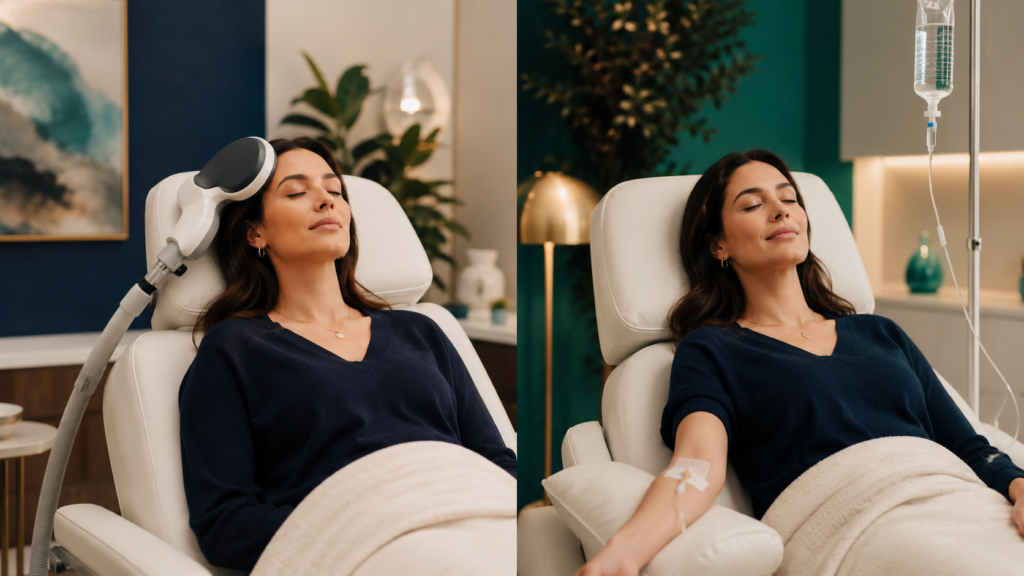
If you have been diagnosed with treatment-resistant depression, your psychiatrist has likely mentioned two names: TMS and ketamine. Both are available at NeuPath Mind Wellness, both have strong clinical track records, and both are designed specifically for people who have not gotten adequate relief from standard antidepressants. So how do you choose between them? The honest answer is that there is no single right answer that applies to every patient. TMS and ketamine work differently, feel different, fit different lifestyles, and tend to suit different clinical profiles. What the right choice looks like depends heavily on your specific situation, your history, and what matters most to you. This post will walk you through exactly how these two treatments compare so that when you sit down with a psychiatrist, you already have a solid foundation for that conversation. How They Work: Two Completely Different Mechanisms The first thing to understand is that TMS and ketamine are not variations of the same treatment. They are fundamentally different approaches to the same problem. TMS, or Transcranial Magnetic Stimulation, uses focused magnetic pulses delivered through a coil placed gently against your scalp to stimulate the area of the brain responsible for mood regulation. You are fully awake throughout the session. There is no drug involved, no altered state, and no recovery time. TMS works through neuroplasticity, the brain’s ability to build and strengthen neural connections over time. Each session builds on the previous one, and the results develop gradually and durably over the course of treatment. Ketamine works through an entirely different route. It is administered either as an IV infusion or, in the case of Spravato, as a nasal spray under clinical supervision. It works by blocking NMDA receptors in the brain and triggering a rapid surge in glutamate signaling, which jump-starts the growth of new synaptic connections. The antidepressant effect can appear within hours of the first session, which is one of ketamine’s most significant advantages. The Speed Difference This is often the most important factor for patients in the early stages of deciding. Ketamine is one of the fastest-acting antidepressant treatments in existence. Many patients feel a meaningful shift in mood within 24 to 48 hours of their first infusion. For someone in the middle of a severe depressive episode, that speed can be genuinely life-changing. TMS does not work that fast. The typical course runs four to six weeks, and most patients begin noticing improvement somewhere in the second or third week. The results build progressively rather than appearing quickly. If you are in acute distress and need relief as soon as possible, ketamine has a clear advantage on this dimension. If your situation is serious but not a crisis, and you are willing to invest in a treatment course that builds steadily, TMS is a strong option. What the Session Experience Is Like The day-to-day experience of these two treatments is very different, and for many patients this matters as much as the clinical data. A TMS session lasts between 19 and 37 minutes. You sit in a comfortable chair while a coil delivers a series of magnetic pulses to your scalp. You hear a clicking sound and feel a light tapping sensation. That is essentially the full experience. When the session ends, you drive yourself home, go to work, pick up your kids, or do whatever you had planned. There is no altered state, no impairment, and no recovery period needed. A ketamine infusion is a different kind of session. IV ketamine is administered over about 40 to 60 minutes in a monitored clinical environment. Most patients experience a dissociative state during the infusion, a dreamlike, floaty feeling that some find deeply therapeutic and others find disorienting. After the infusion, you need a recovery period before you can leave and you cannot drive yourself home. Plan to have someone with you. Neither experience is inherently better. Some patients find the ketamine infusion to be a meaningful, even profound experience that contributes to the therapeutic effect. Others strongly prefer the straightforwardness of TMS. Your lifestyle and preferences are legitimate factors in this decision. Side Effects: What to Expect From Each TMS has a minimal side effect profile. The most common complaints in early sessions are mild scalp tenderness and a light headache, both of which typically resolve within an hour and diminish after the first week as your scalp adjusts. There are no systemic side effects because TMS does not enter your bloodstream. Your sleep, appetite, sexual function, and cognitive performance are unaffected. Ketamine can cause nausea, dizziness, and elevated blood pressure during or shortly after infusions. The dissociative experience, while tolerated well by most patients, is not comfortable for everyone. These effects are temporary and resolve after the session. Ketamine does not carry the long-term systemic side effects associated with antidepressants, but the in-session experience is more physically and perceptually intense than TMS. How They Compare on Effectiveness Both treatments work. The evidence base for each is substantial. TMS achieves response rates of approximately 50 to 58 percent in patients with treatment-resistant depression, with remission in roughly 30 percent. Newer accelerated protocols have shown significantly higher numbers in clinical trials. Results tend to be durable, with many patients maintaining improvement for a year or more after completing a course. Ketamine produces response rates in the range of 50 to 70 percent depending on the patient population and protocol. Its advantages are the speed of onset and the ability to rapidly interrupt a severe depressive episode. The main challenge with ketamine is that the effects can diminish over time without maintenance infusions, meaning some patients need periodic booster sessions to sustain their improvement. One consideration worth noting: for patients who have tried ketamine and had a partial response, TMS can sometimes build on that improvement. And for patients who complete TMS and want to maintain their results or address a relapse, ketamine can serve as an effective bridge. The two treatments are not mutually exclusive at NeuPath, and
How Ketamine Therapy Rewires the Brain to Heal Depression

At our ketamine clinic here in Delray Beach, Florida, we see patients every day who are living under the weight of depression and anxiety. Many of our patients have tried everything: antidepressants, therapy, lifestyle changes, you name it. Despite all that, they still feel stuck. That’s where ketamine therapy can be a complete game changer. Ketamine doesn’t just mask symptoms of depression and anxiety. Ketamine actually works at a deeper level, helping the brain rebuild itself through a process called neuroplasticity. In other words, ketamine creates conditions that make it easier for the brain to heal. That’s what makes ketamine therapy such a powerful option for people with mental health conditions like depression and anxiety. Let’s take a look at how ketamine therapy works and why we recommend ketamine for depression treatment. The Science Behind Ketamine Therapy Ketamine has been used safely for decades in hospitals and emergency rooms as an anesthetic. In the early 2000s, researchers discovered another unique quality of ketamine: it has a rapid antidepressant effect, with noticeable results emerging as fast as within hours or days of first treatment. Researchers were astonished at how quickly ketamine worked compared to the multiple weeks or months required for antidepressants and other common depression treatments. What makes ketamine unique is how it works in the brain. Traditional antidepressants increase levels of serotonin or other neurotransmitters. But ketamine takes a different approach. It acts on the glutamate system, specifically targeting NMDA receptors. This unique mechanism of action leads to a cascade of brain activity that promotes neuroplasticity – a state where the brain is more easily able to respond and change. What Is Neuroplasticity? Neuroplasticity is the brain’s ability to change and adapt. It allows the brain to form new neural connections, strengthen useful pathways, and let go of old, unhelpful ones. These unhelpful pathways are the ones that have become locked in due to depression or anxiety. Think of your brain like a forest with trails running through it. Depression and anxiety tend to carve deep tracks in the brain. These are automatic patterns of negative thinking, fear, and emotional numbness. Over time, these tracks get reinforced and worn deeper and deeper to the point they become hard to break out of. Every time you follow that well-worn trail, you reinforce the pattern. This is why depression can feel so stubborn and difficult to get rid of. Ketamine works like a clearing crew. It temporarily disrupts those entrenched patterns and helps the brain lay down new, healthier pathways in the brain. Ketamine creates a “window of opportunity” where your brain can make positive changes that change the trail system. How Ketamine Helps Heal Depression and Anxiety When someone receives ketamine therapy at our Delray Beach ketamine clinic, here’s what’s happening to the body and brain: The end result of this brain activity is that our patients report feeling better, with renewed energy and clearer thinking following ketamine therapy. Seeing this change in patients is honestly the best part of working at NeuPath Mind Wellness. Where to Get Ketamine Therapy in Delray Beach At NeuPath Mind Wellness in Delray Beach, Florida, we provide ketamine infusions and Spravato (a nasal spray form of ketamine) to help patients overcome depression, anxiety, and PTSD. If you are looking for a ketamine clinic in Florida, we welcome you as a patient. Living with depression or anxiety can feel like you are stuck and can’t move forward (like being stuck in those deep tracks in the forest). No matter how hard you try, nothing seems to make a difference. Ketamine therapy can be the push you need to get out of the rut and get back on with your life. We have seen many, many patients take back their lives with help from ketamine therapy. If you’re in the south Florida area near Boca Raton, Delray Beach, or Boynton Beach and you are struggling with depression, anxiety, or PTSD, we’re here to help you break free. Let’s work together to help you take back your life from depression. Contact us today to schedule your initial consultation by calling 561-847-3662 or use our online appointment request form to schedule a consultation.