Why Antidepressants Stop Working and What to Do Next

You found a medication that helped. Maybe it took a few tries to get there, but eventually something worked. Your mood lifted, the weight of depression eased, and for a while you felt like yourself again. Then, gradually or suddenly, it stopped working. This experience has a name. Clinicians call it antidepressant tachyphylaxis, though patients more often describe it simply as their medication pooping out. It is more common than most people realize, affects a significant proportion of patients on long-term antidepressant therapy, and is one of the most frustrating experiences in psychiatric treatment because it raises a question that feels impossible to answer: if the thing that was working has stopped working, what do you do next? This post answers that question directly. Why Antidepressants Stop Working Before exploring what to do next, it helps to understand why this happens. There is no single explanation that applies to every patient, but the most well-supported mechanisms include the following. Neurobiological adaptation. The brain is constantly adjusting to its chemical environment. When an antidepressant increases serotonin availability in the synaptic cleft, the brain responds over time by downregulating serotonin receptors, reducing their number or sensitivity to compensate for the increased stimulation. Eventually this adaptation can offset the therapeutic effect of the medication, even at the same dose. Changes in your biology over time. Depression is not a static condition and neither is the biology underlying it. Hormonal shifts, aging, changes in inflammation levels, metabolic changes, and the natural progression of the illness itself can all alter how your brain responds to a medication that previously worked well. Genetic factors you did not know about. Your liver enzymes, particularly the cytochrome P450 family, play a major role in how quickly your body clears medications from your system. These enzyme activity levels can shift with age, with other medications you start taking, or with changes in diet. A medication that was previously metabolized at an ideal rate may begin clearing too quickly or too slowly over time, taking it out of its therapeutic window. Stress and life circumstances. Major stressors, trauma, grief, relationship changes, and other life events can overwhelm the capacity of a medication that was previously sufficient. The antidepressant has not changed but the load it is being asked to carry has increased beyond what it can manage. The medication was never fully working. Sometimes what felt like a response was a partial improvement or a placebo component that has faded. This is not a moral failing. It is a reflection of how difficult it is to distinguish between a genuine pharmacological response and the natural variability of depression over time. What Not to Do Before covering what works, it is worth addressing the most common unhelpful responses to antidepressant failure, because they are tempting and understandable but rarely productive. Do not simply increase the dose without guidance. Dose escalation is sometimes clinically appropriate but it is not always the answer and can increase side effects without improving efficacy if the underlying issue is adaptation or a genetic mismatch rather than underdosing. Do not stop abruptly. Discontinuing antidepressants suddenly can cause discontinuation syndrome, a cluster of symptoms including dizziness, nausea, flu-like feelings, and mood instability that is often mistaken for relapse. Always taper under psychiatric supervision. Do not assume you are out of options. This is the most important point in this section and arguably in this entire post. A medication stopping working is not evidence that your depression is untreatable. It is evidence that your current approach needs to change. What to Do Next: Your Options Option 1: Optimize Your Current Medication Before switching medications entirely, there are several adjustments worth exploring with your psychiatrist. A dose adjustment, either up or down, may restore efficacy. Timing changes, such as shifting from morning to evening dosing, can affect how the drug is metabolized. Adding a short-term augmentation agent, a second medication that works alongside the antidepressant, is a well-established strategy for restoring response. Common augmentation options include lithium, atypical antipsychotics like aripiprazole or quetiapine, or buspirone. None of these adjustments should be made without psychiatric oversight, but they are often the first reasonable step before moving to a full medication switch. Option 2: Switch to a Different Antidepressant If optimization does not restore response, switching medications is the next logical step. This is where the trial-and-error problem becomes most acute. Without additional information, the choice of which medication to try next is largely educated guesswork. This is exactly the situation GeneSight genetic testing is designed to improve. Option 3: GeneSight Genetic Testing GeneSight analyzes your DNA to identify how your body metabolizes psychiatric medications and how your brain is likely to respond to them. The test produces a color-coded report that categorizes every major antidepressant as likely to work well, likely to require caution, or likely to carry elevated risk based on your specific genetic profile. For patients cycling through failed medication trials, GeneSight can reveal whether genetic factors are contributing to the pattern. A patient who is an ultra-rapid metabolizer of CYP2D6-dependent medications, for example, may have been clearing SSRIs so quickly that they never reached therapeutic concentration, explaining a long history of apparent non-response to multiple drugs in the same class. GeneSight does not guarantee that the next medication will work. But it replaces guesswork with data, and for patients who have already spent months or years on medications that were never a good genetic match, that shift in approach can be genuinely transformative. GeneSight testing is available at NeuPath Mind Wellness across all three of our South Florida locations and is covered by many insurance plans including Medicare. Option 4: TMS Therapy If medication optimization and switching have not produced adequate relief, Transcranial Magnetic Stimulation is one of the most well-supported next steps available. TMS is FDA-approved for treatment-resistant depression and works through an entirely different mechanism than antidepressants. Rather than altering brain chemistry through the bloodstream, TMS uses focused magnetic pulses to directly stimulate the neural
Spravato vs. Ketamine Infusions: Which is Right for You?
If you have been researching advanced treatments for depression, you have probably come across both Spravato and ketamine infusions. They sound similar, they are chemically related, and they are often mentioned in the same breath. But they are not the same treatment, and the differences between them matter a great deal when it comes to choosing what is right for your situation. This post breaks down exactly how Spravato and ketamine infusions compare, where each one has the advantage, and how to think through the decision. What They Have in Common Both Spravato and ketamine infusions work through the same basic mechanism. They both target NMDA receptors in the brain and trigger a rapid increase in glutamate signaling, which promotes the growth of new synaptic connections in areas of the brain associated with mood and emotional regulation. This is why both treatments can produce antidepressant effects far faster than traditional medications, sometimes within hours of the first session. Both are administered in a supervised clinical setting. Neither is a take-home medication. Both are primarily used for patients who have not responded adequately to standard antidepressants. And both are available at NeuPath Mind Wellness across our South Florida locations. That is largely where the similarities end. What Is Spravato? Spravato is the brand name for esketamine, a nasal spray form of ketamine that was developed specifically for depression and received FDA approval in 2019. It is the first genuinely new class of antidepressant the FDA has approved in decades. Spravato is administered as a nasal spray in a clinical setting. You self-administer the spray under the supervision of a healthcare provider, then remain in the clinic for a two-hour observation period. You cannot drive yourself home afterward. Sessions are typically twice weekly for the first month, then weekly, then every one to two weeks as a maintenance dose. Because Spravato is FDA-approved specifically for treatment-resistant depression and, more recently, for major depressive disorder with acute suicidal ideation, it has a well-established insurance coverage pathway. Most major insurers cover it under similar criteria to TMS. What Are Ketamine Infusions? IV ketamine infusions use the full racemic form of ketamine, delivered directly into the bloodstream through an intravenous line over approximately 40 to 60 minutes. Ketamine has been used as an anesthetic for decades and is used off-label for depression, meaning its use for mood disorders is not FDA-approved for that specific indication, even though the clinical evidence supporting it is extensive. During an infusion, most patients experience a dissociative state, a dreamlike, floaty feeling that typically lasts for the duration of the session and resolves shortly after. The infusion is monitored closely by clinical staff throughout. Afterward, patients need a recovery period and cannot drive themselves home. A standard course for depression is typically six infusions over two to three weeks, followed by maintenance infusions as needed. How They Compare: The Key Differences This is the most practically significant difference for most patients. Does Insurance Cover Spravato? Spravato is covered by insurance. Because it is FDA-approved for treatment-resistant depression, most major insurers including Aetna, Blue Cross Blue Shield, Cigna, UnitedHealthcare, and Medicare have established coverage policies for it. The standard requirement is a diagnosis of treatment-resistant depression and a documented history of failed antidepressant trials, criteria most patients seeking this level of treatment already meet. Does Insurance Cover Ketamine Infusions? IV ketamine is generally not covered by insurance. Because it is used off-label, insurers do not have formal coverage policies for it. A full course of six infusions typically costs several thousand dollars out of pocket. Which Is More Cost-Effective? If cost and insurance coverage are significant factors in your decision, Spravato has a clear and meaningful advantage. The Molecule Spravato uses esketamine, which is one half of the ketamine molecule, specifically the S-enantiomer. IV ketamine uses the full racemic mixture, meaning it contains both the S and R forms of the molecule. The R-enantiomer in racemic ketamine may contribute additional antidepressant effects that esketamine alone does not produce, which is one reason some clinicians believe IV ketamine may have a clinical edge in certain patient populations. The research on this is still evolving. The Experience Spravato is a nasal spray. The dissociative experience it produces is generally milder than that of IV ketamine, though it varies by patient. The two-hour observation window is required regardless of how you feel. IV ketamine produces a more pronounced dissociative effect for most patients. Some find this deeply therapeutic. Others find it uncomfortable. Because the drug is delivered directly into the bloodstream, the onset is faster and the peak experience more intense than with Spravato. Speed of Onset Both treatments are fast-acting compared to oral antidepressants. IV ketamine may produce a slightly faster and more intense initial response due to the direct intravenous delivery and the full racemic formulation. Spravato’s effects are meaningful but the onset curve is somewhat gentler for most patients. Dosing Flexibility IV ketamine allows for more precise, individualized dosing. Because the infusion rate and concentration can be adjusted in real time, clinicians can titrate the dose based on the patient’s response, weight, and tolerance. Spravato comes in fixed doses of 56mg and 84mg, which limits that level of personalization. The Clinical Setting Both require clinical supervision and a period of observation. Spravato’s two-hour window is longer than a typical ketamine infusion visit when you factor in recovery time, though the total time commitment across a treatment course is comparable. What the Research Says Both treatments have solid clinical evidence behind them. Spravato’s approval was based on pivotal trials demonstrating significant reduction in depressive symptoms in treatment-resistant patients within 24 hours of the first dose. IV ketamine’s evidence base is even longer-standing, with dozens of well-designed studies consistently showing rapid antidepressant effects. Head-to-head comparisons between the two are limited, and the existing research does not definitively establish one as superior to the other for all patients. The practical differences, particularly around insurance coverage, dosing flexibility, and the in-session experience, tend to
How Ketamine Therapy Rewires the Brain to Heal Depression
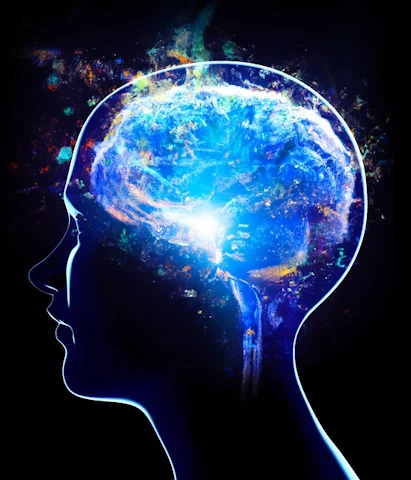
At our ketamine clinic here in Delray Beach, Florida, we see patients every day who are living under the weight of depression and anxiety. Many of our patients have tried everything: antidepressants, therapy, lifestyle changes, you name it. Despite all that, they still feel stuck. That’s where ketamine therapy can be a complete game changer. Ketamine doesn’t just mask symptoms of depression and anxiety. Ketamine actually works at a deeper level, helping the brain rebuild itself through a process called neuroplasticity. In other words, ketamine creates conditions that make it easier for the brain to heal. That’s what makes ketamine therapy such a powerful option for people with mental health conditions like depression and anxiety. Let’s take a look at how ketamine therapy works and why we recommend ketamine for depression treatment. The Science Behind Ketamine Therapy Ketamine has been used safely for decades in hospitals and emergency rooms as an anesthetic. In the early 2000s, researchers discovered another unique quality of ketamine: it has a rapid antidepressant effect, with noticeable results emerging as fast as within hours or days of first treatment. Researchers were astonished at how quickly ketamine worked compared to the multiple weeks or months required for antidepressants and other common depression treatments. What makes ketamine unique is how it works in the brain. Traditional antidepressants increase levels of serotonin or other neurotransmitters. But ketamine takes a different approach. It acts on the glutamate system, specifically targeting NMDA receptors. This unique mechanism of action leads to a cascade of brain activity that promotes neuroplasticity – a state where the brain is more easily able to respond and change. What Is Neuroplasticity? Neuroplasticity is the brain’s ability to change and adapt. It allows the brain to form new neural connections, strengthen useful pathways, and let go of old, unhelpful ones. These unhelpful pathways are the ones that have become locked in due to depression or anxiety. Think of your brain like a forest with trails running through it. Depression and anxiety tend to carve deep tracks in the brain. These are automatic patterns of negative thinking, fear, and emotional numbness. Over time, these tracks get reinforced and worn deeper and deeper to the point they become hard to break out of. Every time you follow that well-worn trail, you reinforce the pattern. This is why depression can feel so stubborn and difficult to get rid of. Ketamine works like a clearing crew. It temporarily disrupts those entrenched patterns and helps the brain lay down new, healthier pathways in the brain. Ketamine creates a “window of opportunity” where your brain can make positive changes that change the trail system. How Ketamine Helps Heal Depression and Anxiety When someone receives ketamine therapy at our Delray Beach ketamine clinic, here’s what’s happening to the body and brain: The end result of this brain activity is that our patients report feeling better, with renewed energy and clearer thinking following ketamine therapy. Seeing this change in patients is honestly the best part of working at NeuPath Mind Wellness. Where to Get Ketamine Therapy in Delray Beach At NeuPath Mind Wellness in Delray Beach, Florida, we provide ketamine infusions and Spravato (a nasal spray form of ketamine) to help patients overcome depression, anxiety, and PTSD. If you are looking for a ketamine clinic in Florida, we welcome you as a patient. Living with depression or anxiety can feel like you are stuck and can’t move forward (like being stuck in those deep tracks in the forest). No matter how hard you try, nothing seems to make a difference. Ketamine therapy can be the push you need to get out of the rut and get back on with your life. We have seen many, many patients take back their lives with help from ketamine therapy. If you’re in the south Florida area near Boca Raton, Delray Beach, or Boynton Beach and you are struggling with depression, anxiety, or PTSD, we’re here to help you break free. Let’s work together to help you take back your life from depression. Contact us today to schedule your initial consultation by calling 561-847-3662 or use our online appointment request form to schedule a consultation.