
Ketamine Therapy in Boca Raton: What Patients Need to Know
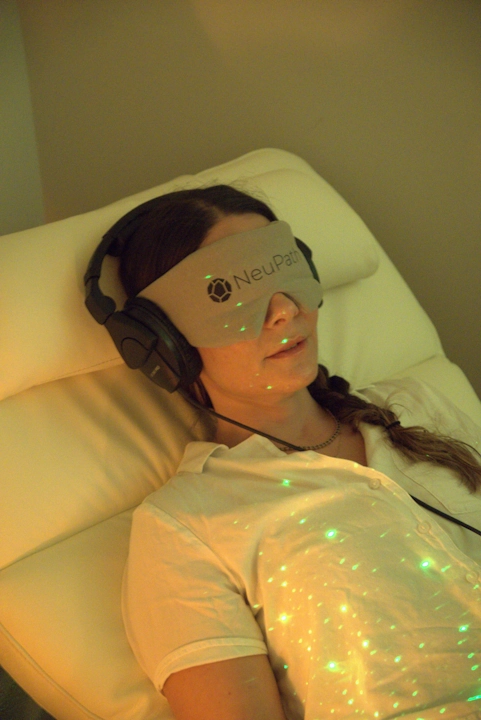
If you are living with depression in Boca Raton and standard antidepressants have not given you the relief you were hoping for, ketamine therapy may be closer than you think. NeuPath Mind Wellness operates a full-service psychiatric clinic serving Boca Raton patients, offering IV ketamine infusion therapy, Spravato, TMS therapy, and GeneSight genetic testing under one roof. You do not need to travel to Miami or across Palm Beach County to access world-class treatment for treatment-resistant depression. It is available right here in your community. This post covers everything Boca Raton patients need to know about ketamine therapy, how it works, what to expect, how insurance factors in, and how to take the first step. Why Boca Raton Patients Are Turning to Ketamine Therapy The traditional approach to depression treatment has always started the same way: a diagnosis, a prescription, and a wait. If the first antidepressant does not work, you try another. If that one does not work either, you try a third. For many patients, this cycle continues for months or years without producing the relief they need. Approximately one in three people with major depressive disorder does not achieve remission with standard antidepressant treatment. For these patients, the standard toolkit has been exhausted and something with a fundamentally different mechanism is needed. Ketamine is that something. It works through the glutamate system rather than the serotonin or norepinephrine systems targeted by SSRIs and SNRIs, which is why it often produces meaningful results in patients who have failed multiple previous medication trials. And it works fast. Many patients experience a meaningful shift in mood within 24 to 48 hours of their first infusion, which is unlike anything available in standard pharmacological treatment. How Ketamine Therapy Works Ketamine was originally developed as an anesthetic and has been used safely in medical settings for decades. Its antidepressant properties were identified more recently and the evidence base supporting its use for depression has grown substantially over the last two decades. The mechanism is distinct from every antidepressant class that came before it. Ketamine blocks NMDA receptors in the brain, triggering a rapid surge in glutamate signaling that promotes the growth of new synaptic connections in areas of the brain that are structurally compromised in depression. This process, called neuroplasticity, is what produces the antidepressant effect and why that effect can persist well beyond the drug’s presence in the system. At NeuPath, ketamine is administered intravenously in a private, calm clinical environment. The infusion runs approximately 40 to 60 minutes and is monitored throughout by trained clinical staff. Most patients experience a dissociative state during the infusion, a dreamlike, perceptually altered experience that is transient and resolves shortly after the session ends. A recovery period follows before you leave the clinic. You cannot drive yourself home after an infusion, so plan to have someone with you. A standard ketamine course for depression consists of six infusions delivered over two to three weeks, followed by maintenance infusions as needed to sustain the response. Conditions Ketamine Treats at Our Boca Raton Clinic Ketamine therapy at NeuPath is available for patients with the following diagnoses: If you are not sure whether your diagnosis qualifies, a consultation with one of our psychiatrists will provide a clear answer. The evaluation is free and carries no obligation. Is Ketamine Therapy Covered by Insurance in Boca Raton? IV ketamine for depression is used off-label, meaning it does not have a specific FDA approval for this indication. As a result, most commercial insurance plans do not cover ketamine infusions and the cost is typically paid out of pocket. A full course of six infusions represents a meaningful financial investment. For patients where insurance coverage is a priority, two alternatives are worth considering. Spravato is the FDA-approved nasal spray form of esketamine, specifically approved for treatment-resistant depression. It works through the same basic mechanism as IV ketamine and is typically covered by most major insurance plans including Aetna, Blue Cross Blue Shield, Cigna, UnitedHealthcare, and Medicare. Spravato is available at our Boca Raton clinic alongside IV ketamine. TMS therapy is similarly covered by most major insurance plans for treatment-resistant depression and works through a completely different mechanism than ketamine. For patients who want an effective, insurance-eligible advanced treatment, TMS is a strong alternative or complement to ketamine. Our team verifies insurance benefits for both Spravato and TMS before treatment begins so you know exactly what your plan covers. What Makes NeuPath Different From Other Ketamine Providers in the Area There are a growing number of ketamine providers in South Florida, and not all of them offer the same level of care. Here is what distinguishes treatment at NeuPath. Psychiatrist-led care. Every ketamine treatment at NeuPath is prescribed and overseen by a board-certified psychiatrist who knows your full clinical history. You are not being managed by a remote prescriber who reviewed your intake form on a video call. Integrated treatment options. If ketamine produces a partial response or if your clinical picture suggests a different approach would serve you better, we have alternatives available immediately. TMS, Spravato, and GeneSight genetic testing are all available at the same clinic, coordinated by the same clinical team. A clinical environment designed for healing. Our Boca Raton clinic is designed to be calm, private, and spa-like. The environment in which you receive ketamine therapy is not a peripheral detail. It is part of the treatment. No referrals required. You can book a consultation directly with our team without a referral from a primary care physician or another provider. Taking the First Step If you are a Boca Raton patient who has been living with depression that has not responded adequately to medication, the first step is a conversation with one of our psychiatrists. The consultation is free, takes approximately 30 to 45 minutes, and gives you a clear picture of whether ketamine therapy, TMS, Spravato, or a combination approach is the right fit for your situation.There is no pressure and no obligation. Our goal is
How to Know If You Are a Candidate for Ketamine Therapy

If you have been living with depression that has not responded to medication, there is a good chance you have come across ketamine therapy in your research. The clinical results are compelling, the mechanism is different from anything that came before it, and the speed of response is unlike any other treatment in psychiatry. But the question most patients arrive with is not “does ketamine work.” It is “does ketamine work for someone like me?” This post answers that question directly. It covers who ketamine therapy is designed for, what the clinical criteria look like in practice, what the evaluation process involves, and what to do if you are not sure whether you qualify. What Ketamine Therapy Is Designed For Ketamine therapy was not developed as a first-line treatment for mild depression. It exists specifically for patients whose depression has not responded adequately to standard treatments, a population that is larger than most people realize. Approximately one in three patients with major depressive disorder does not achieve remission with their first antidepressant. A significant proportion of those patients cycle through multiple medications over months or years without finding adequate relief. For these patients, the standard pharmacological toolkit has been exhausted or has proven insufficient, and something with a fundamentally different mechanism is needed. Ketamine fills that role. It works through the glutamate system rather than the serotonin or norepinephrine systems targeted by traditional antidepressants, which is why it often produces meaningful results in patients who have failed multiple SSRI or SNRI trials. The mechanism is different enough that prior medication failures do not predict ketamine failure. The Core Candidacy Criteria While every patient is evaluated individually, the following criteria describe the profile of a strong ketamine candidate. You do not need to meet every single criterion, but the more that apply to your situation, the more likely ketamine is an appropriate next step. You Have a Diagnosis of Major Depressive Disorder, Bipolar Depression, PTSD, or Anxiety Ketamine has the strongest evidence base for major depressive disorder, particularly treatment-resistant presentations. It also has meaningful clinical evidence for bipolar depression, PTSD, and anxiety disorders. If your primary diagnosis falls within one of these categories, you are within the population ketamine is designed to serve. You Have Tried at Least One Antidepressant Without Adequate Relief Most ketamine providers, including NeuPath, look for a documented history of at least one antidepressant trial that did not produce sufficient improvement. This does not mean the medication did nothing. It means the response was inadequate, either because symptoms did not improve enough or because side effects made the medication intolerable. Many patients seeking ketamine have tried far more than one medication. If you have cycled through two, three, four, or more antidepressants without finding lasting relief, your candidacy for ketamine is stronger, not weaker. You Are Experiencing Significant Functional Impairment Ketamine is most appropriate for patients whose depression is meaningfully affecting their quality of life, their ability to work, their relationships, or their daily functioning. If your symptoms are mild and your current treatment is providing reasonable relief, ketamine is unlikely to be the recommended next step. If your depression is significantly impairing your life and current treatments are not adequately addressing it, the clinical bar for ketamine is met. You Are Not in a Substance Use Crisis Ketamine has a potential for misuse, and active substance use disorders, particularly involving alcohol, benzodiazepines, or dissociative substances, require careful evaluation before ketamine is considered. This does not mean a history of substance use disqualifies you. It means your psychiatrist needs a complete picture of your current relationship with substances to make an informed clinical judgment. You Do Not Have Uncontrolled Hypertension or Certain Cardiovascular Conditions Ketamine transiently elevates blood pressure and heart rate during infusions. Patients with well-controlled hypertension can typically receive ketamine safely with appropriate monitoring. Patients with uncontrolled hypertension or certain serious cardiovascular conditions require more careful evaluation and may need medical clearance from a cardiologist before proceeding. You Are Not Currently Experiencing Active Psychosis Ketamine is a dissociative agent and can exacerbate psychotic symptoms. Patients with a history of schizophrenia, schizoaffective disorder, or active psychosis are generally not appropriate candidates for ketamine therapy. Patients with a history of psychotic depression who are currently stable require individual evaluation. Special Populations Worth Knowing About Patients With Suicidal Ideation Ketamine has shown remarkable results for patients with active suicidal ideation. Its rapid mechanism of action, producing meaningful relief within hours rather than weeks, makes it one of the few treatments capable of intervening quickly in a suicidal crisis. If suicidal ideation is part of your clinical picture, it is not a barrier to ketamine. In many cases it is one of the strongest arguments for it. Patients Who Are Pregnant or Breastfeeding Ketamine is not recommended during pregnancy or breastfeeding. If you are pregnant, your psychiatrist will discuss alternative treatment options appropriate for your situation. Patients on Certain Medications Some medications interact with ketamine in ways that require adjustment before treatment begins. Lamotrigine, for example, may reduce ketamine’s effectiveness. High-dose benzodiazepines can blunt the dissociative response. Your psychiatrist will review your full medication list during the evaluation and advise on any adjustments needed before your first infusion. What the Evaluation Process at NeuPath Looks Like Before any ketamine infusion begins at NeuPath Mind Wellness, you will have a comprehensive psychiatric evaluation with one of our psychiatrists. This is not a formality. It is the foundation of safe and effective treatment. During the evaluation your psychiatrist will review your full psychiatric history including all previous diagnoses, medications you have tried and your response to them, any history of substance use, your current symptoms and their severity, and any medical conditions that may be relevant to ketamine candidacy. You will also have the opportunity to ask every question you have about the treatment, the expected experience, the potential side effects, and what success looks like. Our psychiatrists take the time to make sure you have a complete and honest
How Ketamine Therapy Rewires the Brain to Heal Depression
At our ketamine clinic here in Delray Beach, Florida, we see patients every day who are living under the weight of depression and anxiety. Many of our patients have tried everything: antidepressants, therapy, lifestyle changes, you name it. Despite all that, they still feel stuck. That’s where ketamine therapy can be a complete game changer. Ketamine doesn’t just mask symptoms of depression and anxiety. Ketamine actually works at a deeper level, helping the brain rebuild itself through a process called neuroplasticity. In other words, ketamine creates conditions that make it easier for the brain to heal. That’s what makes ketamine therapy such a powerful option for people with mental health conditions like depression and anxiety. Let’s take a look at how ketamine therapy works and why we recommend ketamine for depression treatment. The Science Behind Ketamine Therapy Ketamine has been used safely for decades in hospitals and emergency rooms as an anesthetic. In the early 2000s, researchers discovered another unique quality of ketamine: it has a rapid antidepressant effect, with noticeable results emerging as fast as within hours or days of first treatment. Researchers were astonished at how quickly ketamine worked compared to the multiple weeks or months required for antidepressants and other common depression treatments. What makes ketamine unique is how it works in the brain. Traditional antidepressants increase levels of serotonin or other neurotransmitters. But ketamine takes a different approach. It acts on the glutamate system, specifically targeting NMDA receptors. This unique mechanism of action leads to a cascade of brain activity that promotes neuroplasticity – a state where the brain is more easily able to respond and change. What Is Neuroplasticity? Neuroplasticity is the brain’s ability to change and adapt. It allows the brain to form new neural connections, strengthen useful pathways, and let go of old, unhelpful ones. These unhelpful pathways are the ones that have become locked in due to depression or anxiety. Think of your brain like a forest with trails running through it. Depression and anxiety tend to carve deep tracks in the brain. These are automatic patterns of negative thinking, fear, and emotional numbness. Over time, these tracks get reinforced and worn deeper and deeper to the point they become hard to break out of. Every time you follow that well-worn trail, you reinforce the pattern. This is why depression can feel so stubborn and difficult to get rid of. Ketamine works like a clearing crew. It temporarily disrupts those entrenched patterns and helps the brain lay down new, healthier pathways in the brain. Ketamine creates a “window of opportunity” where your brain can make positive changes that change the trail system. How Ketamine Helps Heal Depression and Anxiety When someone receives ketamine therapy at our Delray Beach ketamine clinic, here’s what’s happening to the body and brain: The end result of this brain activity is that our patients report feeling better, with renewed energy and clearer thinking following ketamine therapy. Seeing this change in patients is honestly the best part of working at NeuPath Mind Wellness. Where to Get Ketamine Therapy in Delray Beach At NeuPath Mind Wellness in Delray Beach, Florida, we provide ketamine infusions and Spravato (a nasal spray form of ketamine) to help patients overcome depression, anxiety, and PTSD. If you are looking for a ketamine clinic in Florida, we welcome you as a patient. Living with depression or anxiety can feel like you are stuck and can’t move forward (like being stuck in those deep tracks in the forest). No matter how hard you try, nothing seems to make a difference. Ketamine therapy can be the push you need to get out of the rut and get back on with your life. We have seen many, many patients take back their lives with help from ketamine therapy. If you’re in the south Florida area near Boca Raton, Delray Beach, or Boynton Beach and you are struggling with depression, anxiety, or PTSD, we’re here to help you break free. Let’s work together to help you take back your life from depression. Contact us today to schedule your initial consultation by calling 561-847-3662 or use our online appointment request form to schedule a consultation.