Why Antidepressants Stop Working and What to Do Next

You found a medication that helped. Maybe it took a few tries to get there, but eventually something worked. Your mood lifted, the weight of depression eased, and for a while you felt like yourself again. Then, gradually or suddenly, it stopped working. This experience has a name. Clinicians call it antidepressant tachyphylaxis, though patients more often describe it simply as their medication pooping out. It is more common than most people realize, affects a significant proportion of patients on long-term antidepressant therapy, and is one of the most frustrating experiences in psychiatric treatment because it raises a question that feels impossible to answer: if the thing that was working has stopped working, what do you do next? This post answers that question directly. Why Antidepressants Stop Working Before exploring what to do next, it helps to understand why this happens. There is no single explanation that applies to every patient, but the most well-supported mechanisms include the following. Neurobiological adaptation. The brain is constantly adjusting to its chemical environment. When an antidepressant increases serotonin availability in the synaptic cleft, the brain responds over time by downregulating serotonin receptors, reducing their number or sensitivity to compensate for the increased stimulation. Eventually this adaptation can offset the therapeutic effect of the medication, even at the same dose. Changes in your biology over time. Depression is not a static condition and neither is the biology underlying it. Hormonal shifts, aging, changes in inflammation levels, metabolic changes, and the natural progression of the illness itself can all alter how your brain responds to a medication that previously worked well. Genetic factors you did not know about. Your liver enzymes, particularly the cytochrome P450 family, play a major role in how quickly your body clears medications from your system. These enzyme activity levels can shift with age, with other medications you start taking, or with changes in diet. A medication that was previously metabolized at an ideal rate may begin clearing too quickly or too slowly over time, taking it out of its therapeutic window. Stress and life circumstances. Major stressors, trauma, grief, relationship changes, and other life events can overwhelm the capacity of a medication that was previously sufficient. The antidepressant has not changed but the load it is being asked to carry has increased beyond what it can manage. The medication was never fully working. Sometimes what felt like a response was a partial improvement or a placebo component that has faded. This is not a moral failing. It is a reflection of how difficult it is to distinguish between a genuine pharmacological response and the natural variability of depression over time. What Not to Do Before covering what works, it is worth addressing the most common unhelpful responses to antidepressant failure, because they are tempting and understandable but rarely productive. Do not simply increase the dose without guidance. Dose escalation is sometimes clinically appropriate but it is not always the answer and can increase side effects without improving efficacy if the underlying issue is adaptation or a genetic mismatch rather than underdosing. Do not stop abruptly. Discontinuing antidepressants suddenly can cause discontinuation syndrome, a cluster of symptoms including dizziness, nausea, flu-like feelings, and mood instability that is often mistaken for relapse. Always taper under psychiatric supervision. Do not assume you are out of options. This is the most important point in this section and arguably in this entire post. A medication stopping working is not evidence that your depression is untreatable. It is evidence that your current approach needs to change. What to Do Next: Your Options Option 1: Optimize Your Current Medication Before switching medications entirely, there are several adjustments worth exploring with your psychiatrist. A dose adjustment, either up or down, may restore efficacy. Timing changes, such as shifting from morning to evening dosing, can affect how the drug is metabolized. Adding a short-term augmentation agent, a second medication that works alongside the antidepressant, is a well-established strategy for restoring response. Common augmentation options include lithium, atypical antipsychotics like aripiprazole or quetiapine, or buspirone. None of these adjustments should be made without psychiatric oversight, but they are often the first reasonable step before moving to a full medication switch. Option 2: Switch to a Different Antidepressant If optimization does not restore response, switching medications is the next logical step. This is where the trial-and-error problem becomes most acute. Without additional information, the choice of which medication to try next is largely educated guesswork. This is exactly the situation GeneSight genetic testing is designed to improve. Option 3: GeneSight Genetic Testing GeneSight analyzes your DNA to identify how your body metabolizes psychiatric medications and how your brain is likely to respond to them. The test produces a color-coded report that categorizes every major antidepressant as likely to work well, likely to require caution, or likely to carry elevated risk based on your specific genetic profile. For patients cycling through failed medication trials, GeneSight can reveal whether genetic factors are contributing to the pattern. A patient who is an ultra-rapid metabolizer of CYP2D6-dependent medications, for example, may have been clearing SSRIs so quickly that they never reached therapeutic concentration, explaining a long history of apparent non-response to multiple drugs in the same class. GeneSight does not guarantee that the next medication will work. But it replaces guesswork with data, and for patients who have already spent months or years on medications that were never a good genetic match, that shift in approach can be genuinely transformative. GeneSight testing is available at NeuPath Mind Wellness across all three of our South Florida locations and is covered by many insurance plans including Medicare. Option 4: TMS Therapy If medication optimization and switching have not produced adequate relief, Transcranial Magnetic Stimulation is one of the most well-supported next steps available. TMS is FDA-approved for treatment-resistant depression and works through an entirely different mechanism than antidepressants. Rather than altering brain chemistry through the bloodstream, TMS uses focused magnetic pulses to directly stimulate the neural
What Is GeneSight Genetic Testing and How Can It Help Your Treatment?

If you have tried multiple antidepressants and none of them have worked the way you hoped, there is a question worth asking before you try another one: is the problem the medication, or is the problem that the medication was never a good match for your biology in the first place? GeneSight genetic testing exists to answer that question. It is a simple cheek swab that analyzes your DNA and tells your psychiatrist which medications are likely to work well for you, which ones may work poorly, and which ones carry an elevated risk of side effects based on your specific genetic profile. It does not replace clinical judgment. It informs it, with data that was not available to psychiatrists a generation ago. At NeuPath Mind Wellness, GeneSight testing is available across all three of our South Florida locations and is one of the tools we use to build genuinely personalized treatment plans for patients who have spent too long cycling through medications that were never right for them. The Problem GeneSight Solves The standard approach to prescribing antidepressants has always involved a significant degree of guesswork. A psychiatrist evaluates your symptoms, considers your history, and selects a medication based on clinical guidelines and experience. If it does not work, or if the side effects are intolerable, you try another one. And another. And another. This trial-and-error process is not a failure of psychiatry. It reflects a genuine gap in the information available. Until recently there was no reliable way to know in advance how a specific patient’s body would process a specific medication. The same dose of the same drug can produce vastly different effects in two different people, and the reason for that difference is largely genetic. Approximately 40 percent of patients with depression do not achieve remission with their first antidepressant. Many cycle through multiple medications over months or years before finding something that works, if they find it at all. Each failed trial is not just a clinical setback. It is months of a patient’s life spent feeling worse than necessary, often with side effects layered on top of the underlying illness. GeneSight closes that information gap. How GeneSight Works GeneSight is a pharmacogenomic test, meaning it analyzes the relationship between your genes and how your body responds to medications. The test is developed and processed by Myriad Genetics, one of the leading pharmacogenomics laboratories in the United States. The process at NeuPath is simple: Step 1: The swab. A clinician collects a DNA sample using a simple cheek swab. The process takes less than a minute and is completely painless. Step 2: Laboratory analysis. The sample is sent to Myriad’s laboratory where your DNA is analyzed across a panel of genes relevant to psychiatric medication metabolism and response. Step 3: The report. Within a few days your psychiatrist receives a detailed GeneSight report that categorizes each medication in the psychiatric formulary into one of three groups based on your genetic profile. Step 4: Clinical integration. Your psychiatrist reviews the results with you and uses the findings to inform your treatment plan, whether that means adjusting your current medication, switching to a better-matched alternative, or confirming that your current approach is genetically sound. What the GeneSight Report Shows The GeneSight report organizes medications into three color-coded categories: Use as directed (green). Medications in this category are predicted to be processed normally by your body based on your genetic profile. They carry no elevated genetic risk and are reasonable options from a pharmacogenomic standpoint. Use with caution (yellow). Medications in this category may be less effective or may require dose adjustments due to how your genes affect their metabolism. Your psychiatrist may still prescribe them but will do so with the genetic data in mind. Use with increased caution and more frequent monitoring (red). Medications in this category carry a higher genetic risk of reduced efficacy, adverse reactions, or significant metabolic interactions. This does not mean they are never appropriate, but the data suggests they warrant careful consideration and close monitoring if prescribed. The report covers antidepressants, antipsychotics, anxiolytics, mood stabilizers, and other psychiatric medications, giving your psychiatrist a comprehensive genetic map of the entire psychiatric formulary as it applies to your specific biology. What Genes Does GeneSight Test? The GeneSight panel focuses primarily on two categories of genes: Pharmacokinetic genes govern how your body processes and metabolizes medications. The most clinically significant are the cytochrome P450 enzymes, particularly CYP2D6, CYP2C19, and CYP2C9. These enzymes are responsible for breaking down a large proportion of psychiatric medications in the liver. Genetic variants in these enzymes can make you a poor metabolizer, meaning a standard dose builds up to toxic levels in your system, or an ultra-rapid metabolizer, meaning your body clears the drug so quickly it never reaches therapeutic concentration. Either extreme explains why some patients feel terrible on medications that work well for others, or why a medication seems to stop working after a period of effectiveness. Pharmacodynamic genes influence how your brain responds to a medication once it has been absorbed. These include genes like SLC6A4, which affects serotonin transport and influences how patients respond to SSRIs, and MTHFR, which affects folate metabolism and has been associated with antidepressant response and treatment resistance. Understanding both dimensions, how your body processes the drug and how your brain responds to it, gives your psychiatrist a significantly more complete picture than symptom history alone. What GeneSight Can and Cannot Tell You GeneSight is a powerful tool but it is important to understand what it does and does not do. What it can tell you: What it cannot tell you: At NeuPath, GeneSight results are always interpreted by a psychiatrist within the full context of your clinical picture. The report is a data input, not a prescription. Who Benefits Most From GeneSight Testing? GeneSight is valuable for a wide range of patients, but it tends to produce the most meaningful clinical impact for those in the following situations: Patients
Ketamine vs. Antidepressants: Which Works Faster for Depression Relief?
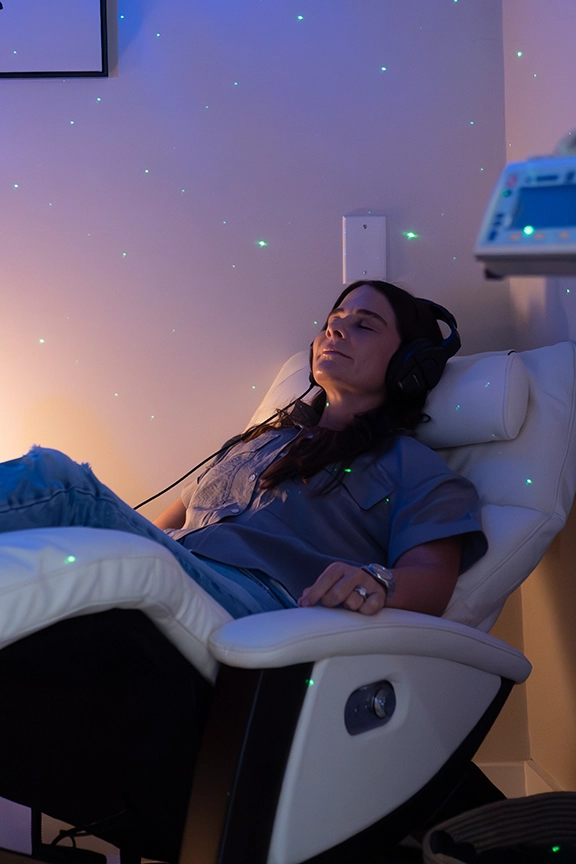
For years, antidepressants have been the traditional treatment, but the emergence of newer depression treatments such as ketamine infusion therapy and Spravato has changed how we approach depression. If time to relief is the primary criteria, then ketamine infusion therapy or Spravato – both of which are available at NeuPath Mind Wellness in Delray Beach – should be seriously considered. At our psychiatry practice in Delray Beach, Florida, we frequently hear an important question from patients: “When will I start feeling better?” It’s a common and understandable concern, especially when struggling with the debilitating symptoms of depression. Naturally, patients want relief as soon as possible. If you’re weighing your options and wondering which treatment — ketamine, Spravato, or traditional antidepressants — offers the quickest path to feeling like yourself again, this article shares what the science and clinical experience of doctors and patients has taught us about antidepressants vs. ketamine infusions or Spravato for effective depression treatment. Traditional Antidepressants: A Slower, Steady Ascent When a patient starts on a traditional oral antidepressant, such as an SSRI (selective serotonin reuptake inhibitor) or SNRI (serotonin-norepinephrine reuptake inhibitor), it can take several weeks before patients notice an improvement. This often catches patients off guard, and causes many patients to stop taking their medication, believing it isn’t helping. How antidepressants work: Traditional antidepressants primarily target neurotransmitters like serotonin, norepinephrine, and dopamine, aiming to rebalance chemical messengers in the brain. Time to effect: Most patients need to take traditional antidepressants consistently for 4 to 8 weeks before they will notice a significant symptom improvement. Some might notice subtle changes earlier, but the full therapeutic effect often takes much longer. During this ramp-up period, patients may continue to experience the full force of their depression, which can be incredibly disheartening. It can be very difficult for patients to continue taking their medication when they aren’t seeing any result. Also, finding the right antidepressant and dosage can involve a trial-and-error process. Only about 40 percent of patients find adequate relief from the first antidepressant tried. This means patients may need to endure this waiting period several times as different medications are attempted. Efficacy: While antidepressants are effective for many patients, approximately one-third of individuals with major depressive disorder don’t achieve adequate relief from traditional antidepressants, even after trying multiple medications. This is known as treatment-resistant depression (TRD). Fortunately, if medication isn’t working for you, there are other options, including ketamine therapy available in Delray Beach at NeuPath Mind Wellness. Ketamine Infusion Therapy: Rapid Relief in Hours to Days Ketamine infusion therapy has revolutionized the landscape for patients seeking faster relief from depression. It is also a good choice for those who have been labeled with treatment resistant depression, because “treatment resistant” only refers to antidepressants, not to other treatment methods. How ketamine works: Unlike antidepressants, which focus on serotonin, ketamine works on the glutamate system, the brain’s most abundant excitatory neurotransmitter. It’s believed to rapidly repair neural connections damaged by chronic stress and depression, promoting neuroplasticity. Neuroplasticity is a state where the brain is more amenable to change and repair. This effect is thought to be responsible for ketamine’s swift antidepressant action. Time to effect: Ketamine’s short time to efficacy is truly remarkable. Many patients report significant improvement in their mood, outlook, and energy levels within hours to days after their first infusion. For some, relief can be almost immediate. A typical treatment course involves a series of infusions delivered over a few weeks, with the rapid initial response often building with subsequent treatments. Efficacy: Studies show that ketamine infusion therapy can lead to significant reductions in depressive symptoms for a substantial percentage of patients with depression, including patients who have failed multiple other treatments. Spravato (Esketamine Nasal Spray): A Fast-Acting Alternative Spravato is a nasal spray derived from ketamine and is a newer treatment option approved specifically for treating depression in adults. It’s chemically related to ketamine but delivered differently. How it works: Like ketamine, esketamine targets the glutamate system in the brain, rapidly enhancing neural connections and promoting neuroplasticity. It is administered as a nasal spray in our ketamine clinic in Delray Beach under supervision from our medical staff. Time to effect: Similar to ketamine infusions, Spravato offers a much faster onset of action compared to antidepressants. Patients may experience improvement in depressive symptoms within days to a few weeks of starting treatment. Efficacy: Clinical trials have demonstrated that Spravato can lead to significant and rapid reductions in depressive symptoms. It is FDA-approved for treating depression in part because of its ability to demonstrate its efficacy in clinical trials. Our own real-world clinical experience also has demonstrated the positive effects of Spravato treatment in treating depression. A Quick Comparison: Ketamine, Spravato, Antidepressants, and TMS This table compares the treatment efficacy and time to relief of several different psychiatric treatments, including TMS, ketamine, Spravato, and antidepressants. (Note: TMS therapy will be available at NeuPath Mind Wellness later this year). Treatment Modality Response Rate Remission Rate Time to Response TMS Only 75% 50% 3-4 weeks TMS + Ketamine Infusions 88% 62% 1-3 Days TMS + Spravato 85% 60% 1-3 Days Ketamine Infusions Only 70% 40% 1-3 Days Spravato Only 65% 35% 1-3 Days Antidepressants Only 65% 48% 4-6 Weeks Which Depression Treatment Option Is Right for You? The choice between ketamine infusion therapy, Spravato, or traditional antidepressants depends on several factors, including the severity of your depression, your treatment history, and your individual response. Your psychiatric team at NeuPath Mind Wellness will help you make the right choice for you, based on your individual circumstances. At NeuPath Mind Wellness, we offer and provide all three treatment options. Although we are recognized as one of the premier ketamine clinics in the Delray Beach area, we provide multiple psychiatric treatment options – including antidepressants and soon to include TMS – in order to meet our patients’ full scope of needs. If you or someone you love is struggling with depression, we are here to help. Reach out today