
Holistic Approaches to Anxiety: Alternative & Complementary Treatments
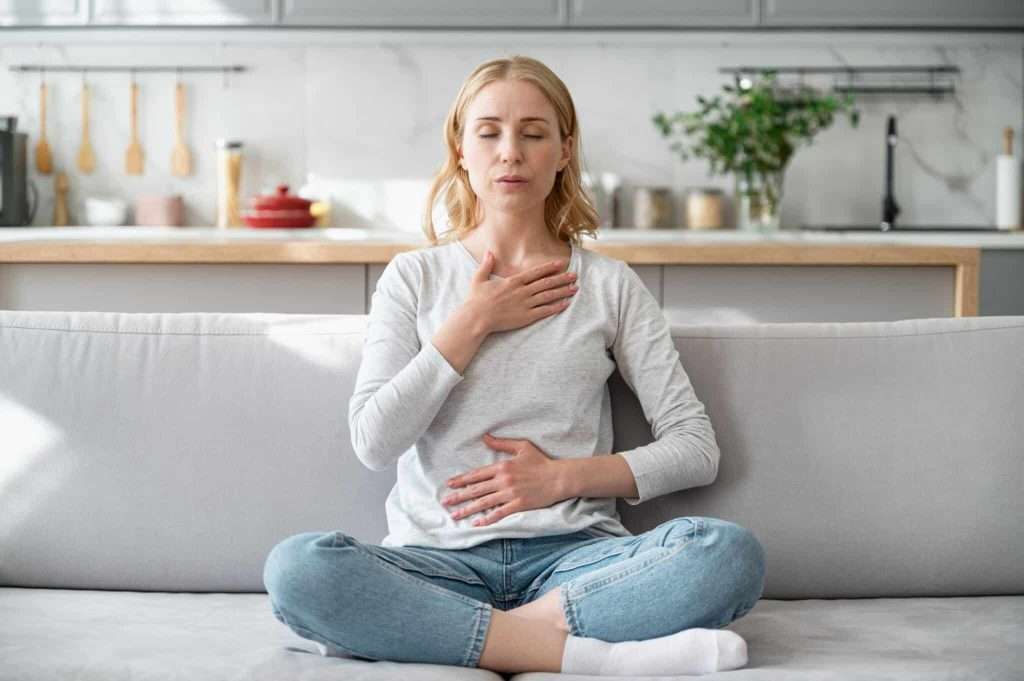
Anxiety disorders are the most common mental health conditions, impacting an estimated 4% of the world’s population. Almost 301 million people received an anxiety disorder diagnosis in 2019, highlighting the wide scope of this issue. Anxiety can cause constant worry, stress, and tension, affecting many aspects of life. While established therapies like cognitive behavioral therapy (CBT) and medication have proven successful for many, an increasing number of individuals are exploring holistic and alternative approaches to achieve greater balance and relief. At NeuPath Mind Wellness in Delray Beach, FL, we offer unique therapies that go beyond traditional treatments to target anxiety at its root, allowing patients to achieve long-term, meaningful relief. The Benefits of a Holistic Approach to Treat Anxiety Taking a holistic approach to anxiety treatment means viewing the mind and body as connected, addressing physical, emotional, and psychological health together. The advantages of a holistic approach include: At NeuPath Mind Wellness, we combine evidence-based holistic treatments to provide our patients with a variety of options for healing and resilience. 4 Alternative & Complementary Treatments for Anxiety Each person’s anxiety experience is unique, and finding the correct treatment method can be transformative. At NeuPath Mind Wellness, we provide a variety of alternative and complementary therapies that go beyond typical treatments to address underlying imbalances, resulting in a comprehensive path to recovery. Here’s a closer look at four of the most effective therapies we offer. 1. Ketamine Infusion Therapy One innovative treatment that has been researched for its efficacy in treating depression and anxiety is ketamine infusion therapy, particularly for those who have not responded to traditional therapies. How Effective is Ketamine Therapy for Anxiety? Ketamine acts on the brain’s NMDA receptors, which are important in stress response and mood control. According to studies, ketamine infusions can have antidepressant and anti-anxiety benefits quickly—often within hours—giving people who might need relief right away a boost. In cases of treatment-resistant anxiety where conventional methods have not produced the intended effects, this prompt reaction is especially beneficial. The Benefits of Ketamine Infusion Therapy Unlike many anti-anxiety drugs, which might take weeks to start working, ketamine therapy provides rapid relief, which is one of its main advantages. After just a few sessions, patients frequently report feeling happier, having more mental clarity, and having fewer symptoms of anxiety. Research has demonstrated that ketamine, a potent treatment for chronic anxiety, can alter negative mental patterns. Who is it Best for? People with social anxiety disorder (SAD), generalized anxiety disorder (GAD), or treatment-resistant anxiety benefit most from ketamine therapy. It is also ideal for people who want to quickly get rid of severe anxiety symptoms. However, ketamine therapy is a specialized treatment that requires careful monitoring by professionals, making it ideal for those ready to explore innovative and closely supervised treatment options. 2. Functional Medicine By addressing the root causes of ailments like anxiety, functional medicine adopts a comprehensive approach to wellness. This method evaluates a number of physical health issues that may be causing anxiety, including food, intestinal health, hormone balance, and genetics, rather than just concentrating on symptoms. How Effective is Functional Medicine for Anxiety? When it comes to treating anxiety at its source, functional medicine works incredibly well. Studies have indicated that factors such as inflammation, dietary shortages, and gastrointestinal health can significantly affect mood and anxiety levels. Functional medicine offers a way to naturally reduce anxiety by testing for particular imbalances or deficiencies and treating them with dietary modifications, supplements, and lifestyle changes. The Benefits of Functional Medicine By helping patients understand how their particular biology contributes to their anxiety, functional medicine provides individualized treatment. Benefits include decreased symptoms of anxiety, better digestion, more vitality, and improved mental health in general. Additionally, this approach encourages patients to make long-lasting lifestyle adjustments that may enhance their mental health in the long run. Who is it Best for? For people who want to learn more about how physical health variables, such as nutrition, lifestyle, and metabolism, affect their mental health, functional medicine is the perfect fit. People who want to avoid medicine or lessen their dependence on conventional anti-anxiety medications, or who have long-term health conditions, can particularly benefit from it. 3. Integrative Practices Integrative approaches combine supplementary methods such as yoga, meditation, acupuncture, and mindfulness with medical therapies. These methods aid in the development of mind-body awareness, which can support the nervous system and lower stress levels. How Effective is Integrative Medicine for Anxiety? When employed as a supportive therapy, integrative approaches can be particularly successful in controlling anxiety. Practices like yoga and mindfulness trigger the parasympathetic nervous system, which inhibits the body’s stress reaction. Research demonstrates that acupuncture stimulates brain regions associated with stress reduction and relaxation, thereby aiding individuals with persistent anxiety symptoms. The Benefits of Integrative Medicine Integrative approaches give patients the tools they need to manage their anxiety by fostering a sense of control and self-regulation. Benefits include better sleep habits, less stress, and better emotional control. Over time, these methods help people manage stressful situations more skillfully by fostering resilience. Who is it Best for? Integrative practices are perfect for those who seek to control their anxiety on a daily basis by implementing natural methods. Integrative practices provide resources for individuals who prefer an active, participatory approach to their mental health journey, both at home and during treatment sessions. 4. Vitamin and Hormone Therapies Hormones and nutritional levels significantly influence mental health. Deficits or imbalances in important nutrients, such as vitamin D, B vitamins, magnesium, and omega-3 fatty acids, may exacerbate anxiety symptoms. Elevated anxiety levels can also result from hormone imbalances, especially those involving thyroid and cortisol hormones. How Effective is Vitamin and Hormone Therapy for Anxiety? For people whose anxiety is caused by physiological imbalances, vitamin and hormone therapy is quite beneficial. Specific deficiencies or hormone imbalances that can be causing anxiety symptoms might be found by lab testing. Addressing these imbalances with supplementation or lifestyle changes can lead to meaningful symptom reduction. The Benefits of Vitamin