
As ketamine therapy has grown from a niche psychiatric intervention into a mainstream treatment option, the number of clinics offering it has grown rapidly alongside it. In South Florida alone, the options available to patients have multiplied significantly over the last five years.
That growth is largely a good thing. More access means more patients who could not previously get this treatment now can. But it also means that not every ketamine clinic operates at the same standard of care, and the differences between a well-run clinic and a poorly run one are not always obvious from the outside.
This post gives you a clear framework for evaluating ketamine clinics, including the specific green flags that signal high-quality care and the red flags that should give you pause before committing to treatment.
Why the Clinic You Choose Matters
Ketamine is a powerful treatment for a serious condition. The outcome you experience is not determined solely by the drug itself. It is shaped by the quality of your psychiatric evaluation, the precision of your dosing, the clinical environment during your infusion, the monitoring you receive throughout, and the follow-up care that supports your response after treatment ends.
A ketamine infusion delivered by an experienced psychiatric team in a well-designed clinical environment is a different experience, and a different clinical proposition, from the same drug delivered in an underequipped facility by staff who have minimal psychiatric training.
The market does not automatically sort good clinics from mediocre ones. Patients have to do some of that sorting themselves, and this post is designed to help.
Green Flags: What to Look For
Psychiatric Oversight by a Board-Certified Psychiatrist
The single most important green flag is whether your treatment is being overseen by a board-certified psychiatrist rather than a nurse practitioner, an anesthesiologist, or a general practitioner operating outside their primary specialty.
Ketamine therapy for depression is a psychiatric treatment. The evaluation that determines whether you are a good candidate, the dosing decisions that shape your infusion, the monitoring of your response over the course of treatment, and the judgment calls about when to adjust, combine, or discontinue treatment all require psychiatric expertise. A clinician who is highly skilled in another specialty but has limited psychiatric training is not the right person to be managing this aspect of your care.
At a good clinic, a psychiatrist is not just a name on the letterhead. They are actively involved in your evaluation, your treatment plan, and your ongoing monitoring.
A Comprehensive Psychiatric Evaluation Before Treatment Begins
A reputable ketamine clinic does not book you for an infusion after a fifteen-minute intake form. Before any treatment begins, you should receive a thorough psychiatric evaluation that covers your full diagnosis history, your medication history, any contraindications to ketamine, your current symptom severity, and your treatment goals.
This evaluation protects you. It ensures that ketamine is genuinely appropriate for your situation, that any factors that could affect your safety or your outcomes are identified in advance, and that your treatment plan is built on a complete clinical picture rather than a superficial one.
If a clinic seems eager to start infusions before getting to know your history in depth, that eagerness should concern you.
Integration With Other Treatment Options
Depression is a complex condition and ketamine is one tool among several. A clinic that offers only ketamine, with no access to complementary treatments like TMS, Spravato, medication management, or therapy, is limited in what it can do for you if ketamine produces a partial response or if your needs change over the course of treatment.
The best ketamine clinics operate within a broader psychiatric care model. At NeuPath Mind Wellness, for example, ketamine is one component of a full suite of advanced treatments that also includes TMS therapy, Spravato, GeneSight genetic testing, and ongoing psychiatric medication management. That integration means your treatment can be adjusted, combined, or redirected without sending you elsewhere.
Transparent Pricing and No Pressure Sales Tactics
A trustworthy clinic tells you exactly what things cost before you commit to anything. The total cost of a course, the per-session cost of maintenance infusions, any additional fees for monitoring or follow-up, and the cost implications of different treatment plans should all be clearly communicated upfront.
If a clinic is vague about pricing, uses high-pressure tactics to get you to commit quickly, or makes promises about outcomes that sound too good to be true, those are signs that commercial interests may be taking precedence over clinical ones.
A Calm, Private, Well-Designed Clinical Environment
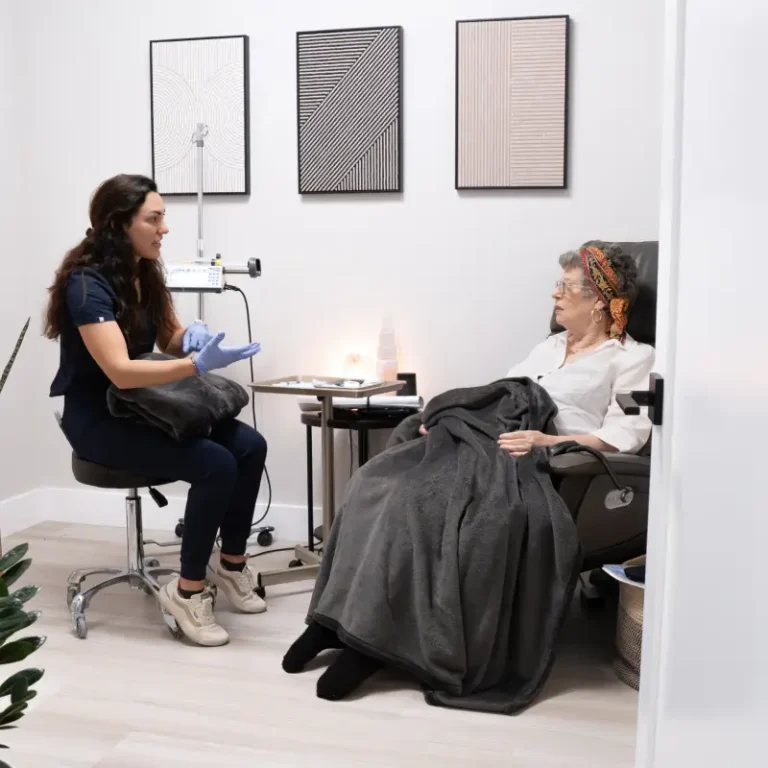
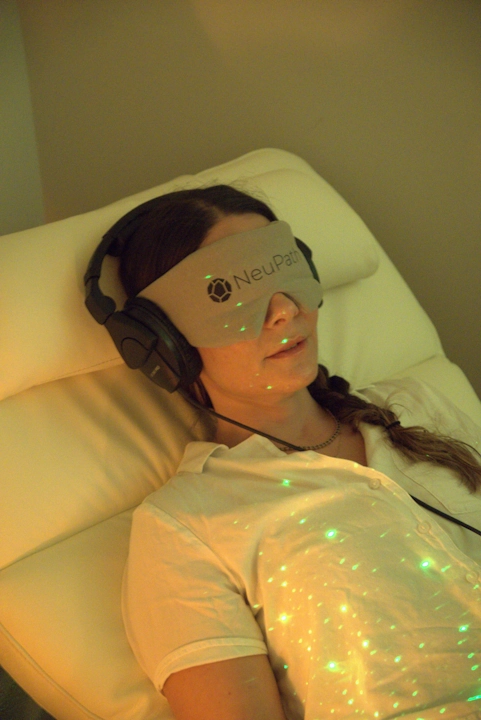
The environment in which you receive ketamine matters more than most patients realize before they experience it. A ketamine infusion involves a significant psychological and perceptual experience. The setting, the lighting, the sound, the sense of privacy and safety, all contribute to the quality of that experience and can meaningfully influence the therapeutic outcome.
A good clinic invests in the clinical environment. Comfortable treatment chairs, private rooms, calming lighting, and a staff that is warm and attentive are not luxuries. They are part of what makes the treatment work well.
Clear Follow-Up and Monitoring Protocols
What happens after each infusion matters as much as the infusion itself. A good clinic monitors your response between sessions, adjusts your treatment plan based on what they observe, and has a clear protocol for maintenance infusions and long-term support.
If a clinic delivers your infusions and then leaves you to manage your own follow-up without structured monitoring or a clear plan for what comes next, you are not getting the full benefit of what ketamine therapy can offer.
Key green flags include psychiatric oversight by a board-certified psychiatrist, a comprehensive evaluation before treatment begins, integration with other treatment options like TMS and Spravato, transparent pricing, a well-designed clinical environment, and clear follow-up and monitoring protocols.
Yes. Ketamine therapy for depression is a psychiatric treatment that requires psychiatric expertise at every stage, from the initial evaluation to dosing decisions to ongoing monitoring. A clinic where a psychiatrist is not actively involved in your care is not structured to deliver this treatment at an appropriate standard.
A thorough psychiatric evaluation before ketamine therapy should cover your full diagnosis history, medication history, contraindications, current symptom severity, and treatment goals. It should not be reduced to a brief telehealth call or an online questionnaire. If a clinic is willing to start infusions without an in-depth evaluation, that is a red flag.
Key questions include who will oversee your treatment and what their credentials are, what the evaluation process looks like, what other treatments are available if ketamine produces a partial response, what the total cost is, what follow-up monitoring looks like, and what happens if you do not respond adequately to the standard course.
Red Flags: What to Watch Out For
Minimal Psychiatric Involvement
If the clinician prescribing and overseeing your ketamine treatment is not a psychiatrist, or if the psychiatrist’s involvement is limited to signing off on a plan developed by non-psychiatric staff, that is a significant red flag.
Ketamine treatment for depression is psychiatry. It requires psychiatric expertise at every stage. A clinic that positions psychiatric oversight as optional or secondary to other credentials is not structured to deliver this treatment at an appropriate standard of care.
No In-Depth Evaluation Before Treatment
If a clinic is willing to schedule your first infusion after only a brief telehealth call or a simple online questionnaire, you should be concerned. There is no legitimate clinical basis for starting ketamine therapy without a thorough evaluation. A clinic that skips this step is either cutting corners or lacks the psychiatric infrastructure to do it properly.
Guarantees of Specific Outcomes
No reputable clinic guarantees that ketamine will work for you. Response rates are meaningful but not universal. Any clinic that promises specific results, cites implausibly high success rates without citing methodology, or uses language designed to create unrealistic expectations is putting marketing ahead of honesty.
A good clinic gives you realistic expectations grounded in what the research actually shows and acknowledges that outcomes vary by patient.
Overemphasis on Volume Over Individualization
Some ketamine clinics operate on a high-volume model that prioritizes throughput over individualized care. If the impression you get from a clinic is that patients are moved through quickly, that staff seems stretched, that your questions are answered briefly or impatiently, or that your treatment plan feels generic rather than tailored to your specific history, those are signs that the clinic may not be delivering the standard of care you deserve.
No Clear Plan for What Happens If Ketamine Does Not Work
A good clinic has a plan for patients who do not respond adequately to ketamine. Whether that plan involves adjusting the protocol, combining ketamine with TMS or Spravato, reconsidering the diagnosis, or transitioning to a different treatment, the existence of a thoughtful next step is a sign of clinical maturity.
A clinic that has no clear answer to the question “what happens if this does not work for me” is a clinic that has not thought carefully enough about its patients’ long-term wellbeing.
Red flags include minimal psychiatric involvement, no in-depth evaluation before treatment, guarantees of specific outcomes, high-volume models that prioritize throughput over individualized care, vague or high-pressure pricing tactics, and no clear plan for patients who do not respond adequately to ketamine.
No. No reputable clinic guarantees that ketamine will work for any specific patient. Response rates are meaningful but not universal. A clinic that promises specific results or cites implausibly high success rates without citing methodology is prioritizing marketing over clinical honesty.
It is worth noting. A clinic that offers only ketamine has limited options if your response is partial or if your needs change. A clinic integrated within a broader psychiatric care model, with access to TMS, Spravato, and medication management, is better positioned to support your long-term wellbeing.
At NeuPath, our psychiatrists will review your response, adjust the protocol if appropriate, and discuss alternative or complementary treatments including TMS therapy, Spravato, or GeneSight-informed medication management. A thoughtful next step always exists.
Questions to Ask Before Choosing a Ketamine Clinic
Bring these questions to any clinic consultation before committing to treatment:
- Who will be overseeing my treatment and what are their credentials?
- What does the initial evaluation process look like and how long does it take?
- What other treatments do you offer if ketamine produces a partial response?
- What is the total cost of a standard course and are there financing options?
- What does follow-up monitoring look like between and after sessions?
- What is your protocol if I do not respond adequately to the standard course?
- Can I speak with someone who has been through treatment at your clinic?
The answers to these questions will tell you a great deal about whether a clinic is operating at a standard you can trust.
| Ketamine Therapy at NeuPath Mind Wellness |
|---|
| At NeuPath Mind Wellness, every green flag described in this post reflects how we actually operate. Our ketamine treatment is prescribed and overseen by board-certified psychiatrists. Every patient receives a comprehensive evaluation before treatment begins. Our clinics in Delray Beach, Boca Raton, and Boynton Beach are designed to be calm, private, and conducive to healing. And ketamine is integrated into a full suite of advanced treatments that can be adjusted, combined, or redirected based on your individual response. We are transparent about pricing, realistic about outcomes, and committed to your long-term wellbeing rather than your next appointment. |
| Book a free consultation at NeuPath Mind Wellness today. |